Silver Amidst Volatility: A Strategic Opportunity or an Investor’s Trap?
06/24/2026 - 12:08
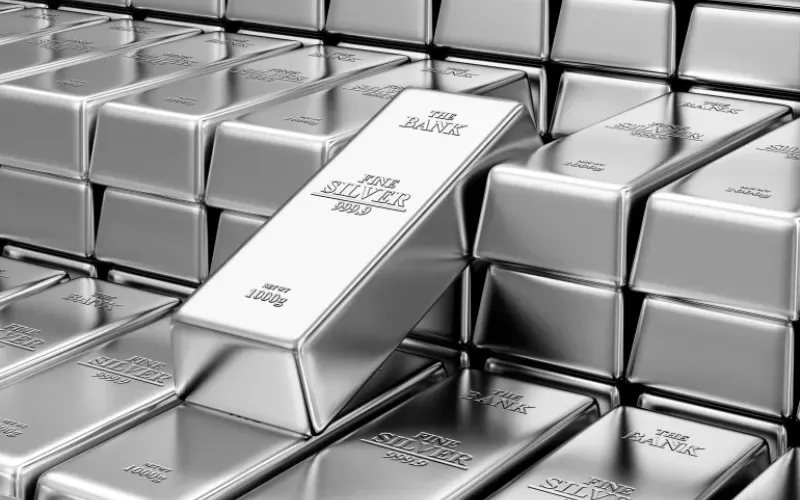
As the global financial markets watch with apprehension, silver has emerged as one of the most controversial and perplexing assets of the moment. Long described as both the "poor man’s gold" and the "hidden industrial engine," silver currently finds itself at a difficult crossroads, caught between structural supply-demand forces and intense pressure from U.S. monetary policy. This divergence has led to significant uncertainty in price forecasts, requiring a deeper understanding of the forces at play behind the trading screens.
The recent pullback in silver prices was not a reflection of an inherent weakness in its intrinsic value, but rather a direct result of a shift in the rhetoric of the U.S. Federal Reserve. As the possibility of prolonged monetary tightening looms, Treasury yields have risen, making silver—which offers no periodic yield—a less attractive option for investors seeking refuge in high interest rates. Compounding this, the renewed strength of the dollar, bolstered by U.S. labor market data that exceeded expectations, created dual pressure that pushed prices toward correction zones, alongside technical profit-taking following the robust rally witnessed at the start of 2026.
However, looking beyond the daily market noise, the long-term outlook paints a starkly different picture. We are confronting an industrial reality where supplies are increasingly constrained; the world is facing a structural deficit in silver supply for the sixth consecutive year. This shortage is not incidental; it is a direct consequence of surging demand from the solar energy sector, the electric vehicle industry, and artificial intelligence applications that remain heavily reliant on the metal for their electronic circuits. This structural deficit serves as a primary line of defense, or what can be termed a "solid floor" that prevents prices from sliding toward historical lows.
So, where is the compass pointing for 2027? Here, analytical perspectives diverge. While a conservative camp argues that the market will enter a phase of consolidation to absorb this year’s volatility, another group bets on a potential price breakout. This outlook rests on the fact that any shift—even a modest one—toward a more accommodative U.S. monetary policy, in the event of cooling inflation, could unleash pent-up demand. This could propel silver to breach new price barriers exceeding $100, transitioning it from a mere trading asset to an indispensable strategic tool in the upcoming green and technological economic cycle.
Ultimately, it appears that the investor in silver today is not merely buying a metal, but purchasing a stake in the future of the global energy transition. Although the near-term path appears rugged and governed by inflation data and interest rate decisions, the fundamental factors remain supportive. This is a test of patience, where endurance remains the defining trait for those who realize that the true value of silver is not measured by today’s fluctuations, but by the demands of tomorrow’s world.