
- وفاة 3 أطفال أشقاء، الأحد، وإصابة والديهم، إثر تعرضهم لحروق بالغة في أنحاء الجسم، جراء حريق شب داخل شقة سكنية، في محافظة الزرقاء وفقًا لمديرية الأمن العام
- بدء التسجيل الأولي للراغبين في أداء فريضة الحج من الأردنيين وأبناء قطاع غزة المقيمين في المملكة، لموسم الحج 2027 ، اليوم
- جيش الاحتلال الإسرائيلي، شن صباح الأحد، غارات على جنوب لبنان، قال إنها جاءت ردا على إطلاق حزب الله طائرتين مسيّرتين
- قوات الاحتلال الإسرائيلي قصفت بالمدفعية الثقيلة، السبت، تل باط الوردة على أطراف بلدة بيت جن بريف دمشق الغربي، بأربع قذائف
- يكون الطقس الأحد معتدل الحرارة في أغلب المناطق، وحارا في الأغوار والبحر الميت والعقبة
Quwaysimah Demands Its Share of Development as Calls Grow to Accelerate Government Projects and Address Road, Water, Health and Transport Challenges

06/17/2026 - 13:11
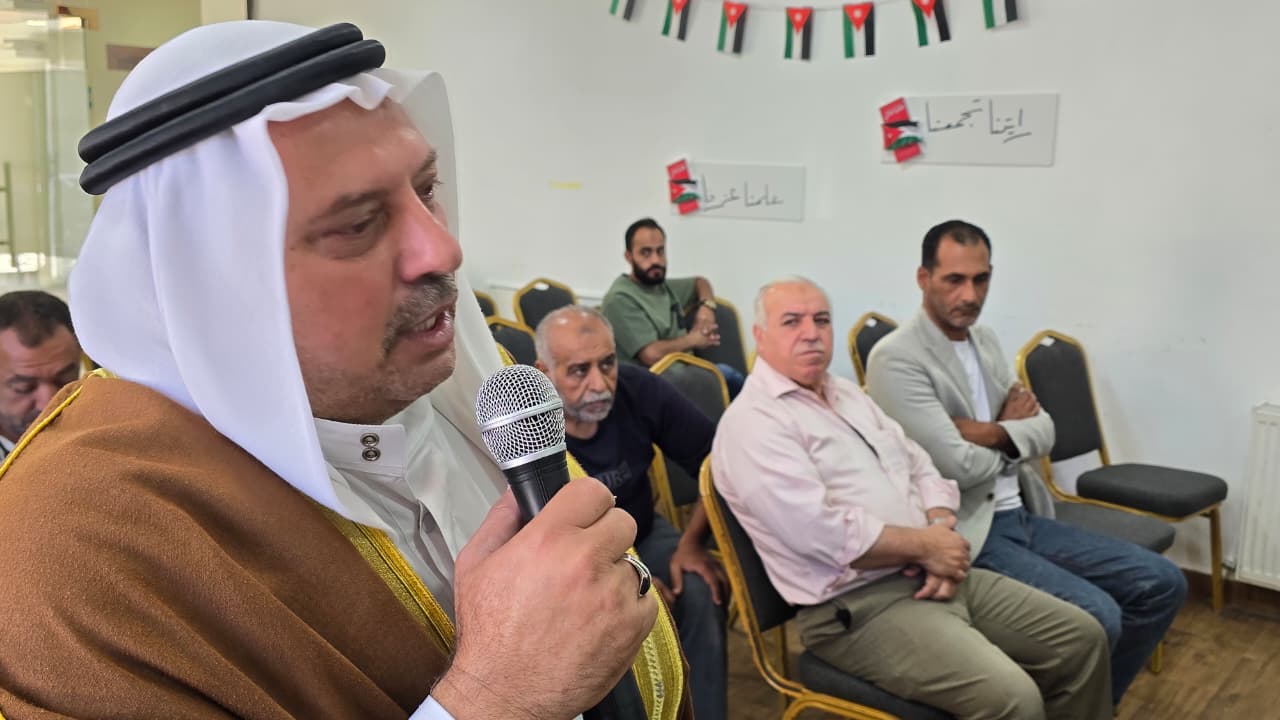
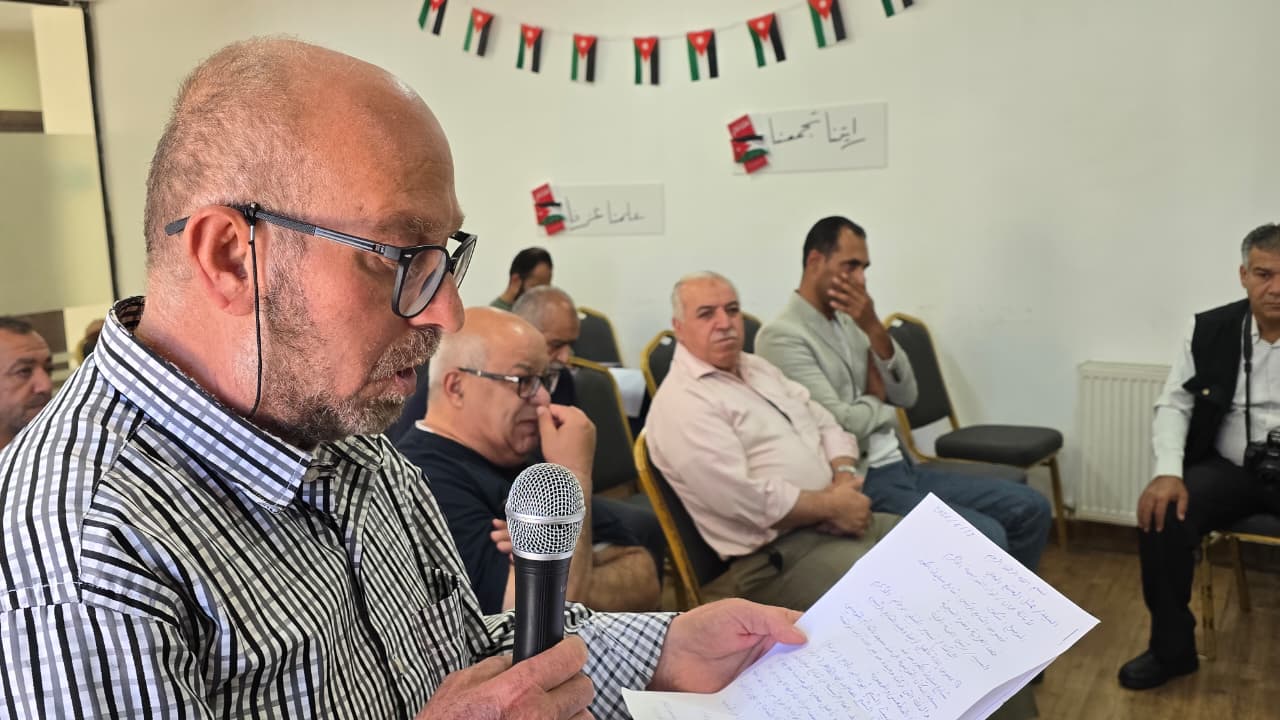
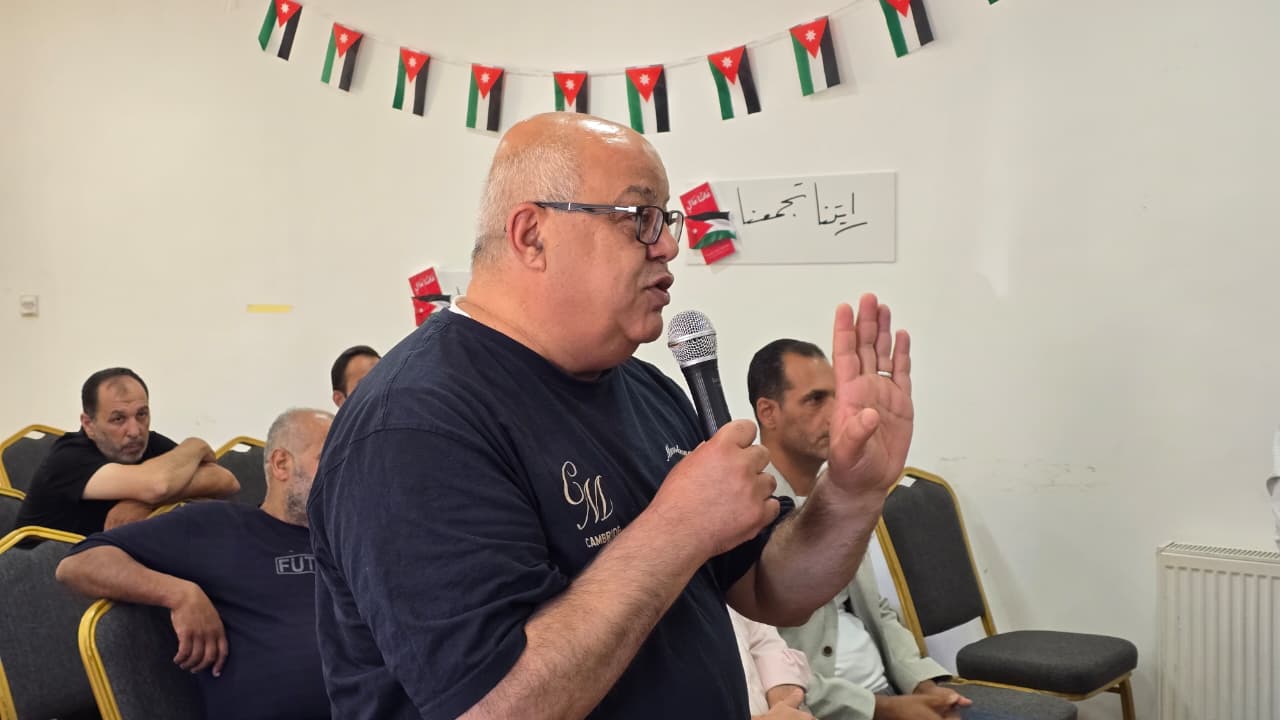
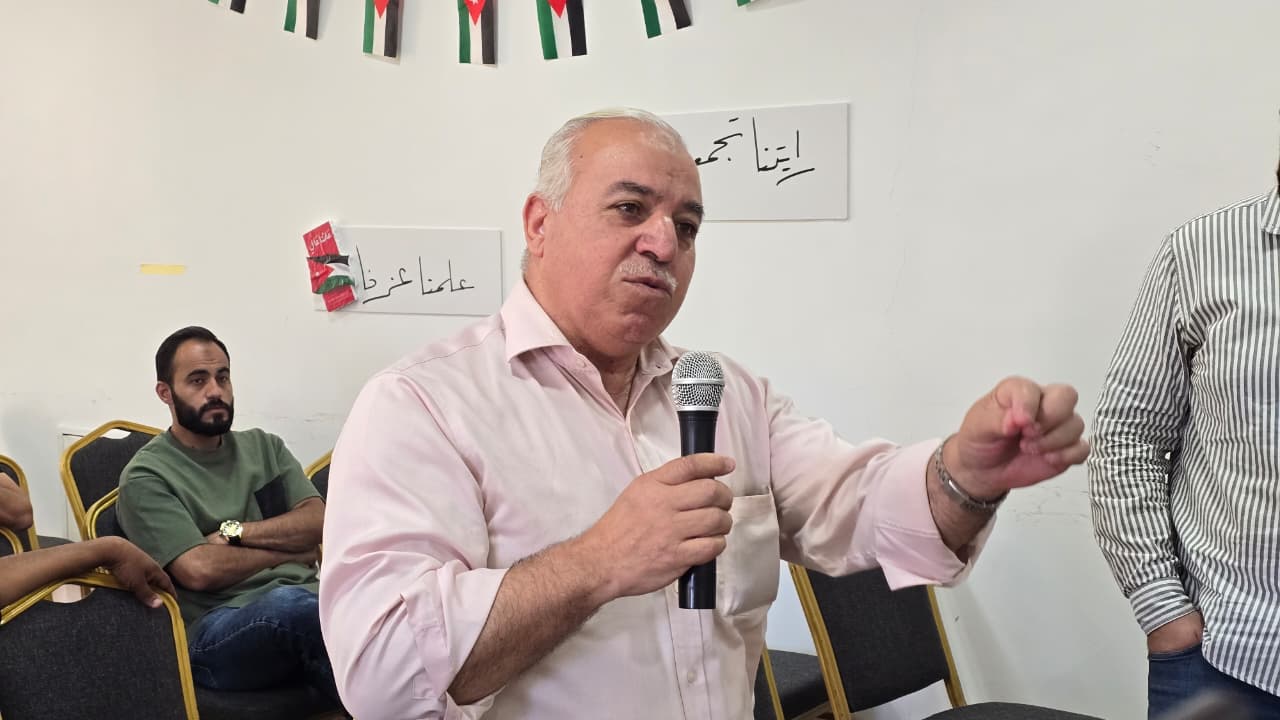
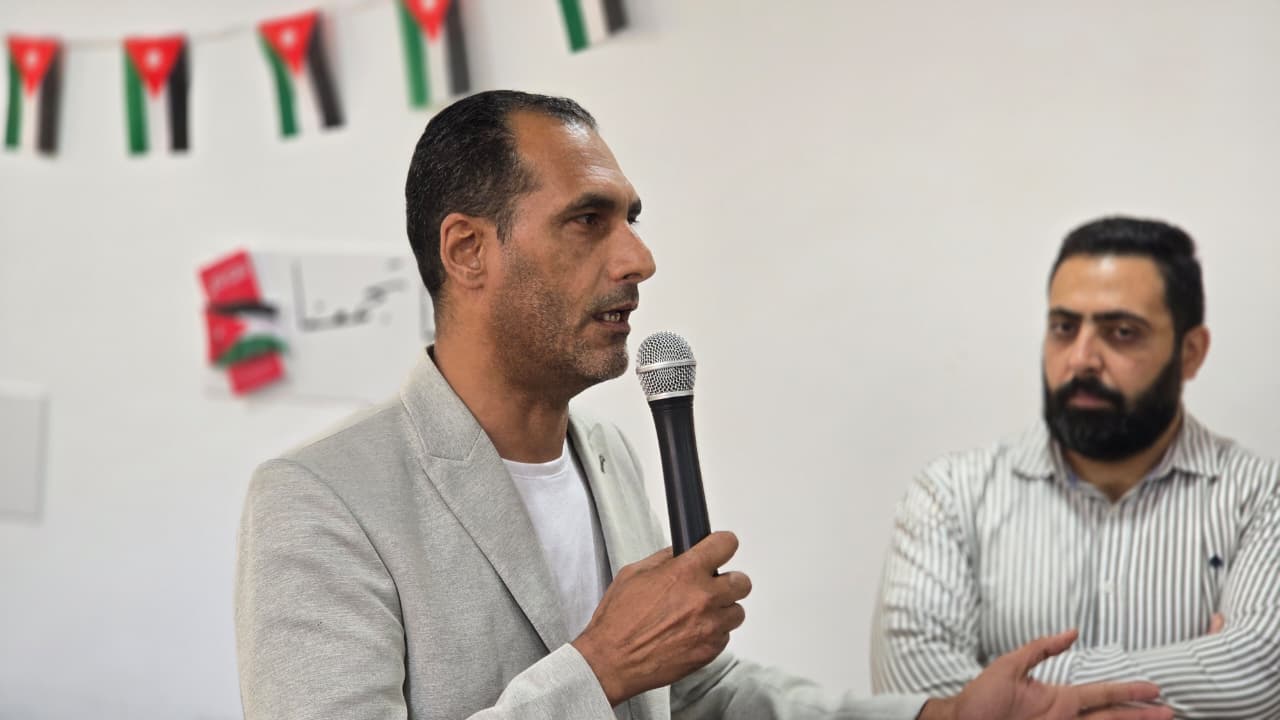
A public forum titled “Quwaysimah District Between Government Plans and Field Reality: Evaluating Performance and Future Opportunities” brought together government officials, community representatives and local residents to assess progress on projects announced during a Cabinet session held in the capital in 2025. Discussions focused on implementation rates, ongoing development efforts, and the key service challenges facing one of Amman's largest and most densely populated districts.
Participants stressed that Quwaysimah, home to an estimated 727,000 residents, is experiencing rapid population and urban growth, placing increasing pressure on infrastructure and essential services. They called for faster implementation of government projects and greater priority for the district in future development plans.
During the forum, South Amman Water Director Eng. Mousa Abu Al Sheikh said the water sector continues to face significant challenges due to limited water resources and steadily rising demand. He highlighted the expansion of the South Amman Wastewater Treatment Plant as one of the most important strategic projects currently under implementation, noting that it is designed to increase the facility's capacity to handle growing wastewater volumes and improve services for residents.
Ali Al Amoush, Head of South Amman Water Department, explained that Quwaysimah forms a key part of the South Amman service network, which covers five districts. He noted that the district has more than 70,000 subscribers and said water teams respond directly to supply interruptions and technical faults, with complaints being monitored and addressed in the field without delay.
Al Amoush added that the Abu Alanda reservoir and its associated pumping station have become operational and are currently receiving around 2,250 cubic metres of water per hour. He described the project as a major achievement for the water and wastewater system serving Quwaysimah and southern Amman. He also confirmed that the rehabilitation of the South Amman Treatment Plant has been completed in full through multiple phases.
For his part, community representative Dr. Badr Al Hadid said there has been noticeable improvement in the response to some service-related issues, particularly in the water sector. However, he argued that the district still requires larger-scale development projects that reflect its population size and strategic importance within the capital. He pointed to recurring water network problems during the summer months and called for network upgrades to be included among the government's priorities.
Al Hadid also called for a dedicated Cabinet session to be held in Quwaysimah, similar to government visits conducted in other governorates and regions. He said the district deserves greater attention given its large population and accumulated development challenges, adding that new projects are needed across multiple sectors to improve services and create employment opportunities for young people.
Education was another major topic of discussion. Participants highlighted challenges facing public schools, including overcrowding, shortages of school guards, the need for stronger protection for teachers and the importance of providing a more stable educational environment. Speakers noted that some schools are exposed to vandalism and damage during the summer break, requiring additional preventive measures and greater support for educational staff.
In the health sector, participants emphasized the need to upgrade existing health centres, particularly in Abu Alanda, Al Nasr and Quwaysimah, while expanding healthcare services available to residents. They also proposed making use of existing government facilities to ease pressure on Al Bashir Hospital through the establishment of auxiliary healthcare facilities or the relocation of selected services.
Roads and infrastructure dominated much of the discussion, with residents arguing that many main and secondary roads require comprehensive rehabilitation. They pointed to issues including potholes, deteriorating road surfaces and inadequate stormwater drainage systems. Participants called for a larger number of roads to be included in Greater Amman Municipality's annual resurfacing plans, stressing that current needs exceed the scale of work carried out on the ground.
Concerns were also raised about the impact of water and sewerage projects on roads after construction work is completed. Representatives of the water sector said contractors are subject to direct technical supervision and are required to provide financial guarantees to ensure that any defects or damage resulting from project implementation are addressed. They stressed that serving citizens remains a top priority for both the ministry and its affiliated companies.
On employment, participants urged authorities to give local residents priority in job opportunities generated by major development projects, including water infrastructure schemes and the National Water Carrier Project. They argued that high youth unemployment rates make it essential to link development initiatives with tangible employment opportunities for local communities.
School transportation was also identified as a pressing issue requiring urgent regulatory solutions. Sector representatives said the lack of organized alternatives places additional burdens on both drivers and families, calling for faster action to regulate the sector and improve safety standards and services provided to students.
The forum concluded with participants emphasizing the importance of maintaining direct dialogue between government institutions and citizens. They argued that continuous field monitoring of projects and close engagement with local communities are essential to ensuring that government plans are translated into tangible improvements in residents' daily lives.