- كوادر بلدية إربد الكبرى، بدأت فجر الثلاثاء، بتنفيذ إزالة دوار ميدان الثقافة، تمهيدا لتركيب إشارة ضوئية ذكية
- فريق البحث والإنقاذ الأردني يتمكن من انتشال 11 جثة لضحايا الزلزال من موقعين مختلفين في كاراكاس منذ بدء العمل
- وصول طائرة المنتخب الوطني لكرة القدم، صباح الثلاثاء، إلى مطار الملكة علياء الدولي بعد مشاركته للمرة الأولى في كأس العالم 2026
- وسائل الإعلام الرسمية الإيرانية، تفيد الثلاثاء، بمقتل اثنين من عناصر الحرس الثوري الإيراني وإصابة اثنين آخرين بهجوم وقع في محافظة كرمانشاه غربي البلاد مساء الاثنين
- الكنيست الإسرائيلي، يفشل في تمرير مشروع قانون يهدف إلى منع ممثلي اللجنة الدولية للصليب الأحمر من زيارة الأسرى الفلسطينيين في سجون الاحتلال
- يكون الطقس يومي الثلاثاء والأربعاء، حارا نسبيا في أغلب المناطق، وحارا في البادية والأغوار والبحر الميت والعقبة
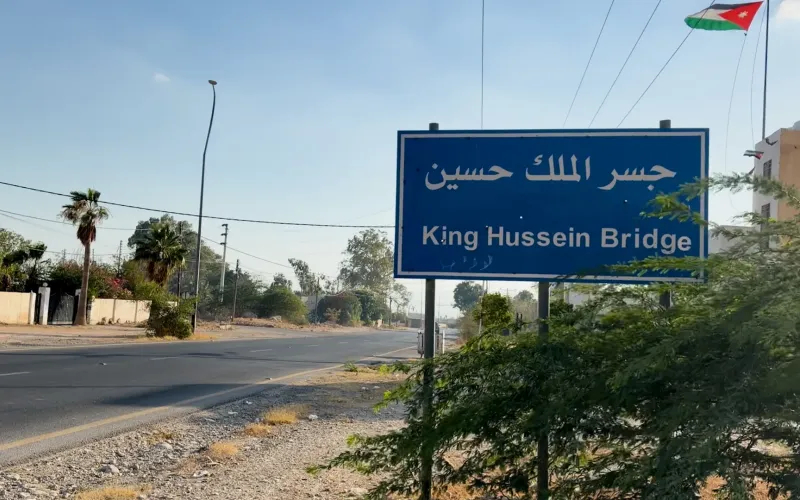
How Can Jordan Address the Crisis at the King Hussein Bridge?
06/30/2026 - 12:33
The King Hussein Bridge remains one of the most sensitive crossing points between Jordan and the West Bank, not merely as a border terminal, but as a space where humanitarian conditions, political realities, and administrative pressures intersect in a way that shapes the daily experience of thousands of travelers.
For many passengers, the journey does not begin at the crossing itself. It starts much earlier, with a sense of anticipation mixed with anxiety. Travelers often arrive already mentally exhausted, expecting long waiting hours, delays, and a difficult sequence of procedures on both sides. The trip can stretch from early morning until late evening, turning what should be a routine passage into a demanding and draining experience.
Alongside this pressure, there are repeated complaints and perceptions among some travelers regarding financial practices linked to services such as luggage handling, booking systems, and informal payments in certain stages of the process. While these accounts vary and are not uniformly documented, the persistence of such narratives contributes to a broader sense of distrust and frustration. At the same time, many travelers do not submit formal complaints, often fearing complications or believing that reporting may lead to additional problems.
On the operational side, staff at the bridge work under sustained pressure. They deal with high volumes of passengers, tight procedures, and constant emotional tension from travelers. Despite this, many cases highlight moments of assistance provided to elderly passengers, families, and urgent humanitarian situations. Still, the accumulation of pressure and public criticism has affected morale, creating a difficult working environment on both sides of the operation.
Addressing the situation requires multiple parallel steps. Expanding staffing levels and improving oversight mechanisms is essential, including both visible supervision and internal monitoring to prevent any potential misconduct or procedural irregularities. At the same time, reviewing the existing booking and platform systems, along with related services, could help reduce confusion and restore confidence among travelers.
There is also a wider regional dimension that cannot be ignored. Improving the flow of passengers depends not only on Jordanian procedures but also on coordination with the Israeli side regarding capacity, operating hours, and permitted numbers. Parallel diplomatic engagement from Palestinian authorities and international partners is also part of any realistic attempt to ease congestion and improve movement.
One of the most challenging aspects of the issue is the overlap between verified facts, personal experiences, and circulating rumors. This mix often clouds the public understanding of what is happening at the bridge, turning operational challenges into broader narratives of mistrust.
In the long term, partial improvements will not be enough. The situation calls for sustained infrastructure development, including upgraded facilities, better passenger services, and more efficient transport systems. More ambitious proposals point toward a complete redevelopment of the site, potentially through large-scale investment models similar to those used in major international transport hubs.
Ultimately, the King Hussein Bridge is more than a crossing point. It reflects the broader conditions of mobility, restriction, and necessity in the region. Any solution will require a balance between infrastructure, administration, and political coordination, alongside a recognition of the human pressure experienced daily by both travelers and staff.
Al-Ghad newspaper