- الأردن، يستضيف اليوم الاثنين، اجتماعا تشاوريّا لوزراء خارجية الدول العربية، و اجتماعا لمجلس جامعة الدول العربية على المستوى الوزاري
- هيئة تنظيم النقل البري تستحدث خط نقل جديدا يربط محافظة جرش بمنطقتي صويلح والمدينة الطبية، بتعرفة تبلغ دينارا و10 قروش للرحلة
- الدفاع المدني يتعامل مع حريق شب داخل مبنى مكون من 4 طوابق في منطقة القويسمة بمحافظة العاصمة، نتج عنه إصابة شخصين بضيق في التنفس
- استشهاد طفل وفتى، و إصابة شابان آخران، فجر الإثنين، برصاص قوات الاحتلال الإسرائيلي، ومستوطنين، في بلدة بيت أمر شمال الخليل
- وكالة تسنيم، نقلاً عن مصدر مطلع، تؤكد ليل الأحد-الاثنين، أن الوفد الإيراني رفض العودة إلى المحادثات الرباعية بعد تهديدات الرئيس الأميركي دونالد ترامب
- إصابة 54 شخصا وفُقد 18 آخرون في الانفجار الذي وقع مساء الأحد في منطقة رأس لفان الصناعية في قطر
- يكون الطقس صيفيا معتدل الحرارة في أغلب المناطق، وحارا في البادية والأغوار والبحر الميت والعقبة
Guest on “Naseej” Highlights: The Kurdish Identity as an Integral Part of Jordan’s Social Fabric

01/21/2026 - 14:30
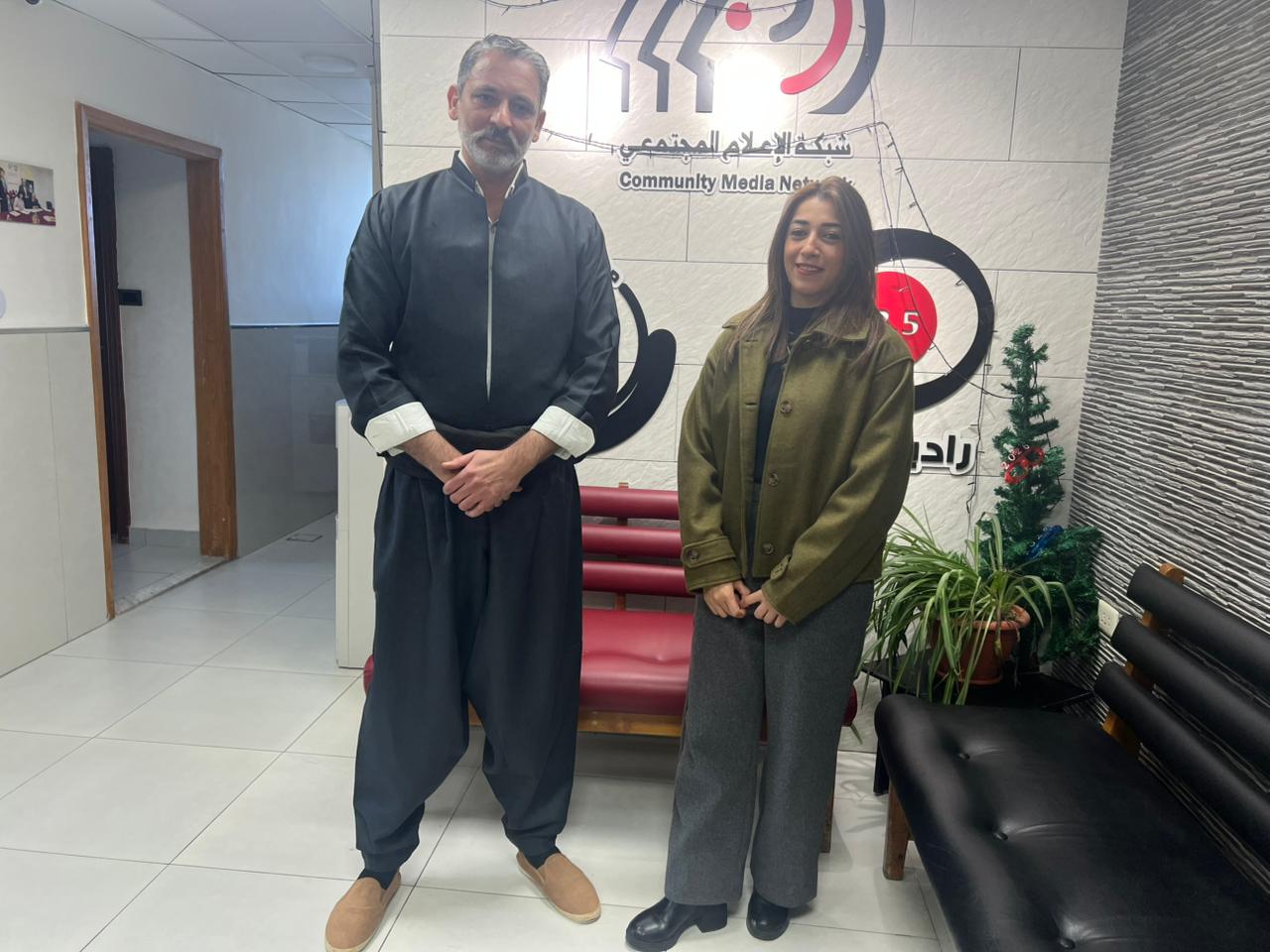
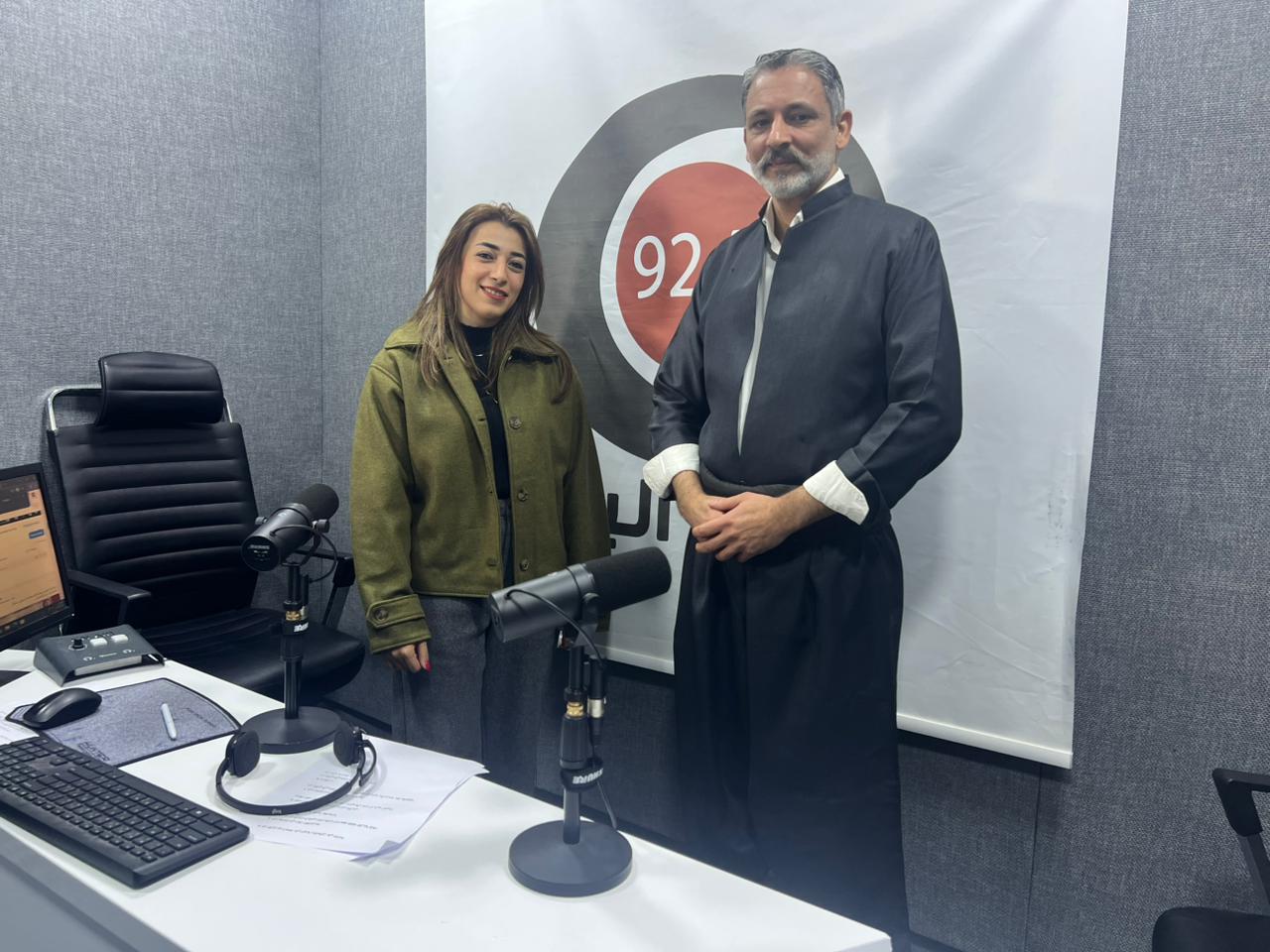
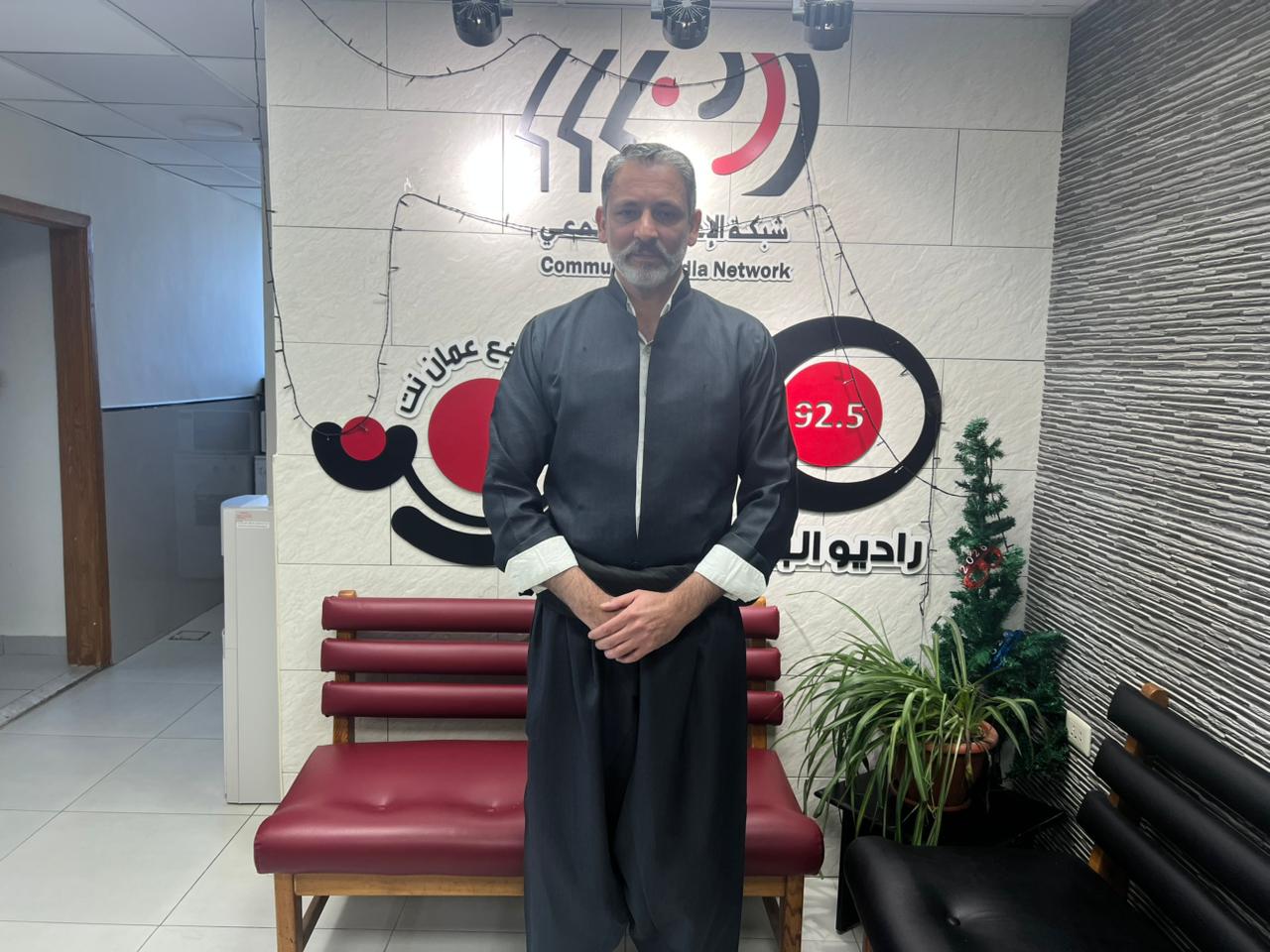
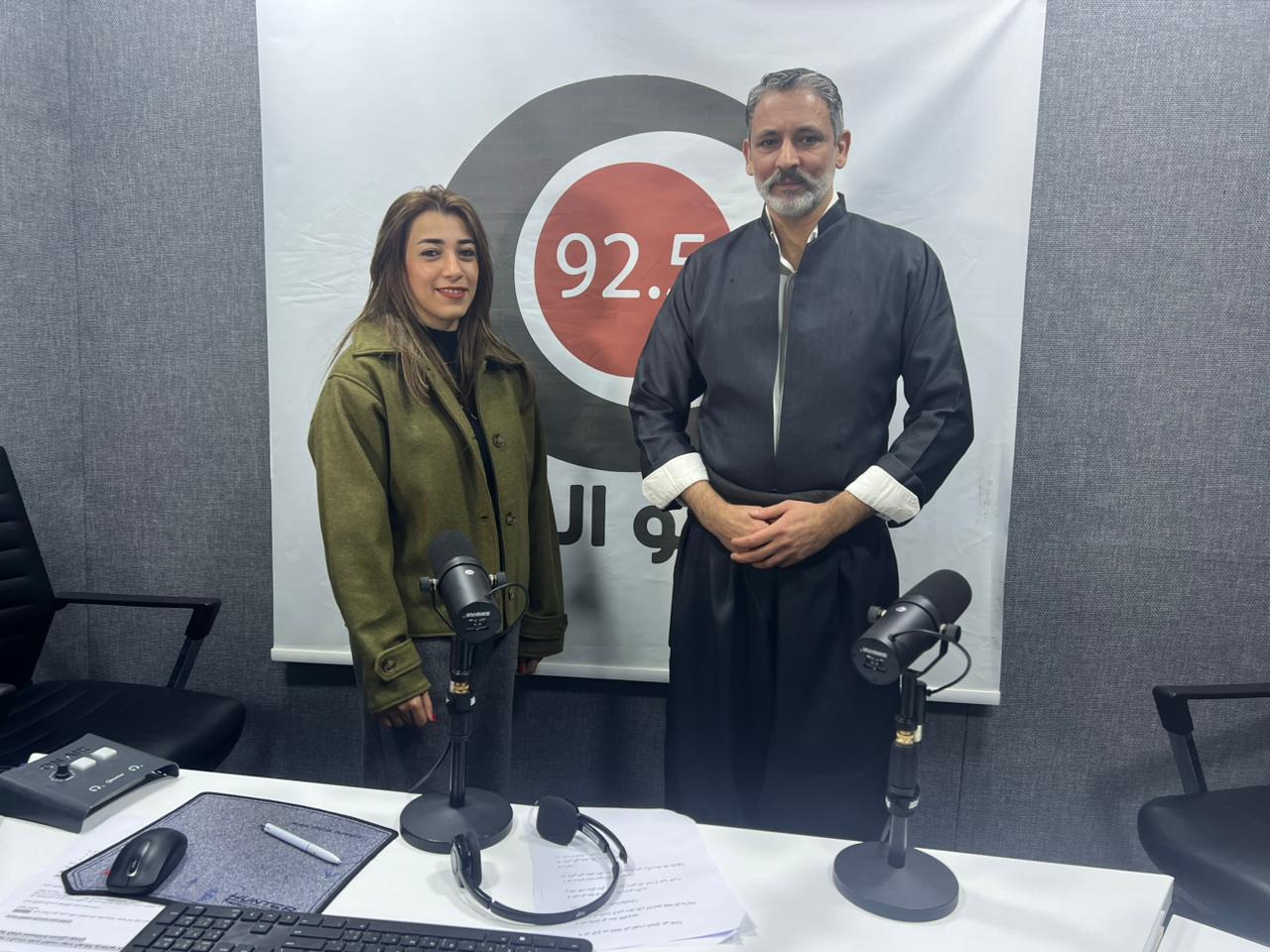
Mohi Al-Din Al-Kurdi, Administrative Supervisor at the Jordanian Kurdish Cultural Association, emphasized that the Kurdish identity in Jordan has long been a meaningful addition to the country’s social fabric, rather than a barrier to integration or participation in public life. He highlighted the Jordanian society’s openness and respect for diversity and multiple origins.
Al-Kurdi made these remarks during the eighth episode of “Naseej”, broadcast on Radio Al-Balad, which focused on the Kurdish story in Jordan and explored the historical, cultural, and social presence of Kurds in the kingdom.
He noted that Kurds have been an integral part of Jordanian society for centuries, contributing across various fields, including military and security services, medicine, media, sports, agriculture, and trade. He stressed that Jordanian citizenship ensures equal rights and duties regardless of one’s heritage.
Al-Kurdi explained that the Jordanian Kurdish Cultural Association was established to preserve Kurdish identity and heritage within an institutional framework, avoiding isolation. Institutional work, he said, is essential to protect cultural heritage from fading and to introduce it to wider society. He added that while initial challenges included gaining societal acceptance, public response exceeded expectations, with many non-Kurdish Jordanians participating in association activities and even learning Kurdish out of cultural interest or family ties.
He also highlighted the role of digitization in safeguarding Kurdish memory, citing the association’s project of archiving works by Jordanian Kurdish authors and making them digitally accessible. This initiative ensures that cultural heritage is preserved and available for younger generations.
On the topic of identity, Al-Kurdi stressed that preserving one’s heritage does not mean isolation. On the contrary, promoting it and sharing it strengthens its continuity. He cited intermarriage and social integration between Kurds and other Jordanian communities as a key factor in fostering inclusivity and reinforcing the value of diversity as a source of societal strength.
Al-Kurdi also addressed stereotypes about “Kurdish stubbornness,” clarifying that it is often misunderstood. In reality, it reflects commitment to truth, honesty, and integrity—values that have contributed to building trust within the community.
This episode of “Naseej” is part of a broader series highlighting the various components of Jordanian society, illustrating how the nation’s social fabric is woven from diverse threads that come together to form a cohesive identity grounded in pluralism and mutual respect.