- الأردن، يستضيف اليوم الاثنين، اجتماعا تشاوريّا لوزراء خارجية الدول العربية، و اجتماعا لمجلس جامعة الدول العربية على المستوى الوزاري
- هيئة تنظيم النقل البري تستحدث خط نقل جديدا يربط محافظة جرش بمنطقتي صويلح والمدينة الطبية، بتعرفة تبلغ دينارا و10 قروش للرحلة
- الدفاع المدني يتعامل مع حريق شب داخل مبنى مكون من 4 طوابق في منطقة القويسمة بمحافظة العاصمة، نتج عنه إصابة شخصين بضيق في التنفس
- استشهاد طفل وفتى، و إصابة شابان آخران، فجر الإثنين، برصاص قوات الاحتلال الإسرائيلي، ومستوطنين، في بلدة بيت أمر شمال الخليل
- وكالة تسنيم، نقلاً عن مصدر مطلع، تؤكد ليل الأحد-الاثنين، أن الوفد الإيراني رفض العودة إلى المحادثات الرباعية بعد تهديدات الرئيس الأميركي دونالد ترامب
- إصابة 54 شخصا وفُقد 18 آخرون في الانفجار الذي وقع مساء الأحد في منطقة رأس لفان الصناعية في قطر
- يكون الطقس صيفيا معتدل الحرارة في أغلب المناطق، وحارا في البادية والأغوار والبحر الميت والعقبة
Drones Reshape the Balance of Military Power
03/09/2026 - 10:58
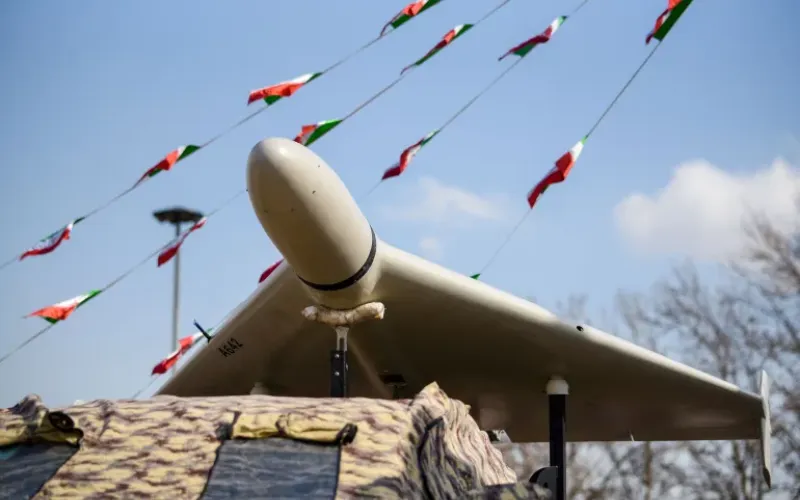
By 2026, the nature of warfare has undergone a visible transformation. Unmanned aerial vehicles, commonly known as drones or UAVs, have become a central force in reshaping the military landscape. These systems are no longer merely support tools, they have evolved into primary weapons that influence the balance of power and redefine combat strategies. By reducing human casualties, improving strike precision, and expanding the operational reach of military forces, drones have established themselves as a formidable capability, making modern warfare more agile and, in many cases, less costly.
Changing Combat Strategies and Reducing Human Risk, The Era of “Smart Deterrence”
For decades, the primary objective in war has been achieving victory while minimizing losses. Drone technology has advanced this goal to an unprecedented level, triggering a profound shift in military strategy.
Precision Strikes and Lower Casualties
Drones enable reconnaissance, surveillance, and precision strikes against critical targets without placing soldiers directly in harm’s way. This capability has significantly reshaped both defensive and offensive planning. Operators controlling drones from remote locations are largely shielded from the immediate dangers of the battlefield.
Recent conflicts, including those seen in Ukraine and parts of the Middle East, have demonstrated how drones can inflict considerable damage at a remarkably low human cost. Their ability to accomplish military objectives while limiting direct risk to personnel represents one of the most significant transformations introduced by this technology.
A Shift in the Concept of Military Deterrence
The spread of drones is also redefining the concept of deterrence. Relatively inexpensive drones, sometimes costing less than 1,000 dollars, can be used to exhaust expensive defense systems such as interceptor missiles that may cost millions of dollars each.
This dramatic cost imbalance places heavy pressure on traditional defense budgets and forces military planners to reconsider long standing strategic priorities.
Artificial Intelligence and Drone Swarms, A Revolution on the Battlefield
The integration of artificial intelligence with drone technology represents one of the most consequential developments shaping warfare by 2026. This combination has unlocked capabilities that were once theoretical, leading to new tactics and advanced operational concepts.
Continuous Adaptation and Learning
AI powered drones can analyze battlefield data in real time and adapt to changing conditions. Some systems are capable of semi autonomous or autonomous decision making, allowing them to improve performance based on previous missions.
Such adaptability makes drones highly effective in complex and unpredictable environments.
Drone Swarms and Coordinated Attacks
Drone swarms have emerged as one of the most striking tactical innovations enabled by artificial intelligence. Groups of drones can coordinate attacks autonomously or with minimal human oversight, increasing their effectiveness and their ability to overwhelm conventional defenses.
Within these swarms, drones can follow low and irregular flight paths to evade radar systems, distribute tasks among themselves, and even act as decoys to confuse enemy defenses. This approach challenges traditional command and control structures and pushes militaries to rethink their defensive organization.
Economic and Industrial Impact, A New Arms Race
The influence of drone technology extends far beyond battlefield tactics. It has also triggered major shifts in defense spending and industrial priorities, contributing to a global competition in drone development.
Reshaping Military Budgets
By 2026, spending on drone development and production in some countries has surpassed investment in conventional manned aircraft. This trend reflects growing recognition of the operational effectiveness and cost efficiency of drone systems.
Driving Innovation in Defense Industries
The drone sector has become a powerful engine of technological innovation within defense industries. Governments and private companies alike are racing to design more advanced systems, including drones with improved surveillance capabilities, precision strike functions, and specialized roles in deception and electronic warfare.
Challenging Traditional Defense Systems
Low cost drones, particularly those enhanced with artificial intelligence, pose a serious challenge to expensive and complex defense systems. Deploying large numbers of drones can overwhelm traditional air defenses, forcing militaries to confront both financial and operational pressures.
Expanding into Non Traditional Roles and New Power Dynamics
Drones have moved beyond their original roles as reconnaissance tools or direct attack platforms. Their expanding range of uses is reshaping the dynamics of power in modern conflicts.
Asymmetric Warfare
In asymmetric conflicts, drones have become a critical tool for smaller states and armed groups seeking to offset their lack of conventional military power. The ability to acquire aerial strike capability at relatively low cost allows these actors to challenge stronger militaries and alter the rules of engagement.
Multifaceted Missions
Today, drones are used for a wide range of missions that extend well beyond direct combat. These include:
• Intelligence gathering and surveillance, delivering real time imagery and data
• Security operations such as border monitoring
• Psychological operations, including the distribution of leaflets or propaganda materials
• Deception tactics, where drones act as false targets to confuse enemy defenses
Defensive Challenges and the Future of Warfare
Despite their advantages, the rise of drones presents new defensive challenges. As a result, many countries are investing heavily in counter drone technologies.
Counter Drone Systems
Traditional air defense systems often struggle to detect or intercept drones, especially those flying at low altitudes or operating in coordinated swarms. This has accelerated the development of counter drone technologies, including electronic jamming systems, interception tools, and emerging weapons such as laser and electromagnetic systems.
Even so, the pace of drone innovation continues to outstrip many defensive capabilities.
Rethinking Military Doctrine
The widespread use of drones has forced militaries to reconsider their operational doctrines. Cooperation between soldiers and unmanned systems is increasingly central to military planning, requiring new training programs and advanced command and control structures capable of integrating human and machine decision making.
Rebalancing Power in Modern Conflicts
Drones are rapidly becoming a defining feature of contemporary warfare. Their accessibility means they are no longer limited to major powers, but are increasingly available to smaller states and non state actors.
This proliferation is complicating the global security environment and increasing the potential for new types of conflict.
In short, by 2026 drones have fundamentally altered the conduct of war. From reducing human casualties and delivering precise strikes to enabling AI driven swarm tactics and transforming defense economies, unmanned systems have become a core component of modern military power. Their continued evolution will shape the strategic landscape for years to come.