
- الأردن، يستضيف اليوم الاثنين، اجتماعا تشاوريّا لوزراء خارجية الدول العربية، و اجتماعا لمجلس جامعة الدول العربية على المستوى الوزاري
- هيئة تنظيم النقل البري تستحدث خط نقل جديدا يربط محافظة جرش بمنطقتي صويلح والمدينة الطبية، بتعرفة تبلغ دينارا و10 قروش للرحلة
- الدفاع المدني يتعامل مع حريق شب داخل مبنى مكون من 4 طوابق في منطقة القويسمة بمحافظة العاصمة، نتج عنه إصابة شخصين بضيق في التنفس
- استشهاد طفل وفتى، و إصابة شابان آخران، فجر الإثنين، برصاص قوات الاحتلال الإسرائيلي، ومستوطنين، في بلدة بيت أمر شمال الخليل
- وكالة تسنيم، نقلاً عن مصدر مطلع، تؤكد ليل الأحد-الاثنين، أن الوفد الإيراني رفض العودة إلى المحادثات الرباعية بعد تهديدات الرئيس الأميركي دونالد ترامب
- إصابة 54 شخصا وفُقد 18 آخرون في الانفجار الذي وقع مساء الأحد في منطقة رأس لفان الصناعية في قطر
- يكون الطقس صيفيا معتدل الحرارة في أغلب المناطق، وحارا في البادية والأغوار والبحر الميت والعقبة
Al-Izzeh: Influencers’ Bullying of Persons with Disabilities Has Reached Unprecedented Levels… and Public Culture Still Enables Mockery
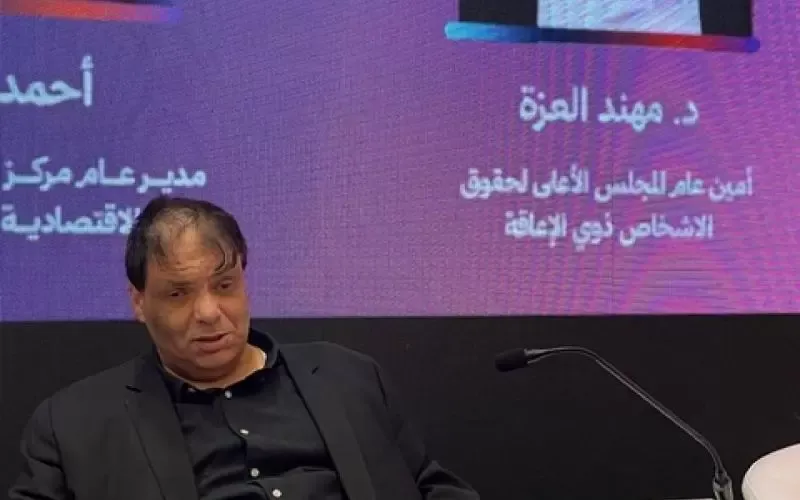
11/18/2025 - 12:05
Dr. Mohannad Al-Izzeh, Secretary-General of the Higher Council for the Rights of Persons with Disabilities, explained that measuring the impact of bullying is neither uniform nor objective, as the feeling of harm varies from one person to another. Still, psychological harm remains a constant for everyone — including persons with disabilities.
Al-Izzeh stressed that disability-based bullying has reached unprecedented levels of “professionalism” and ill intent, noting that some individuals have begun inventing new methods to mock persons with disabilities. He added that several bullies today are classified as influencers due to the wide reach and engagement their content achieves.
He pointed out that the extensive awareness efforts aimed at changing stereotypes can be completely undone within minutes when a content creator decides to exploit a particular disability in a mockingly crafted video meant solely to attract views.
Al-Izzeh revealed that he recently contacted a content creator who had posted a video he described as “one of the most degrading things he had ever seen,” in which a specific disability was depicted in a deeply insulting manner. Although the creator apologized, Al-Izza emphasized that much of this behavior stems from ignorance rather than malicious intent. He questioned: “Is it not enough for these individuals to imagine themselves as parents watching content that mocks their child’s disability?”
He further explained that public culture in society continues to foster and encourage bullying, as people often laugh at harmful situations instead of condemning them — granting bullies an indirect form of social legitimacy and exacerbating the problem.