- رئيس الوزراء جعفر حسان يصدر بلاغا الاثنين، قرر فيه تمديد العمل بقراره السابق بإيقاف سفر الموظفين والوفود واللجان الرسمية حتى نهاية العام الجاري
- غرفة صناعة الأردن تطلق منصة بيانات صناعية تفاعلية متكاملة عبر تطبيقها الذكي وموقعها الإلكتروني الرسمي
- سلطة إقليم البترا التنموي السياحي تهيب بالمواطنين والزوار الكرام عدم شراء أو حجز أي تذاكر تتعلق بحفل الفنان ماجد المهندس، وتؤكد أن الإعلان المتداول غير صحيح
- رئيس وزراء الاحتلال الإسرائيلي بنيامين نتنياهو ووزير دفاع الاحتلال يسرائيل كاتس، يصدران الاثنين، بيانا مشتركا وجّها فيه جيش الاحتلال الإسرائيلي إلى مهاجمة أهداف في الضاحية الجنوبية لبيروت
- الحرس الثوري الإيراني، يقول الاثنين، إن القوات الجوية استهدفت قاعدة جوية استخدمت في ما وصفه بأنه هجوم أميركي على برج اتصالات في جزيرة سيريك
- يكون الطقس صيفيا معتدل الحرارة في أغلب المناطق، وحارا نسبيا في الأغوار والبحر الميت والعقبة
Zein Ghanma Inspires Rotarians with Insights on Leadership and Communication

12/22/2025 - 13:23
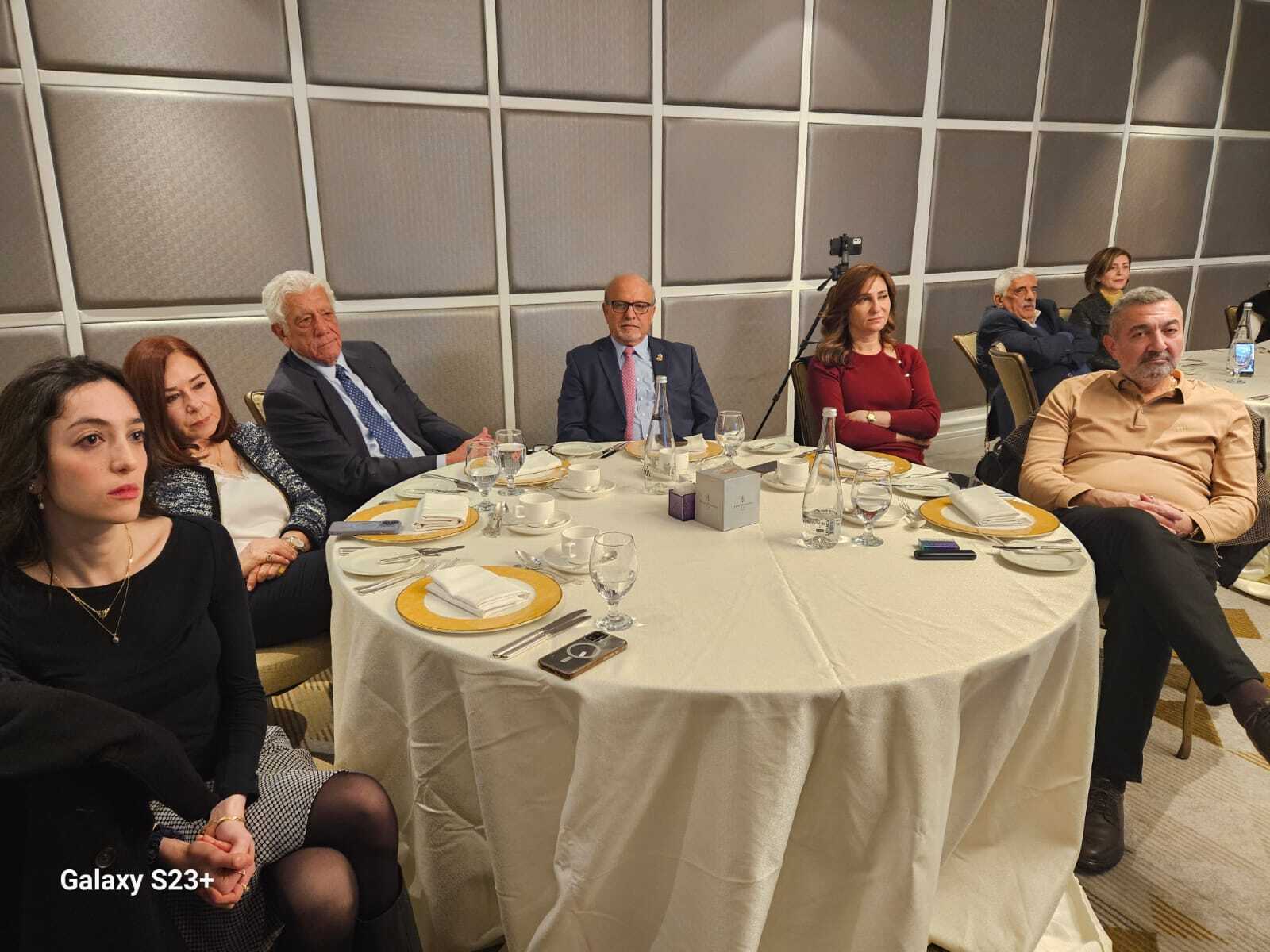
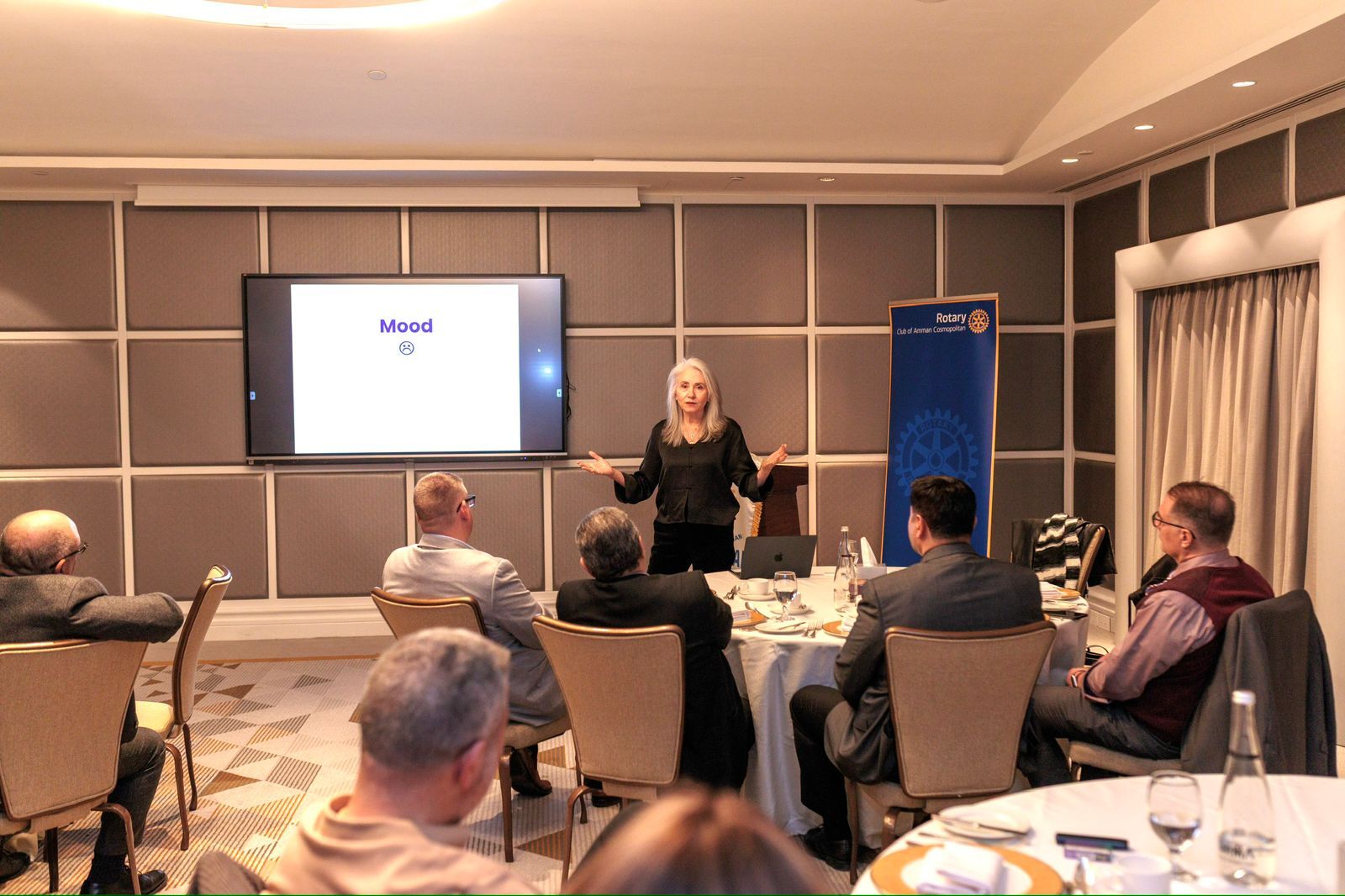
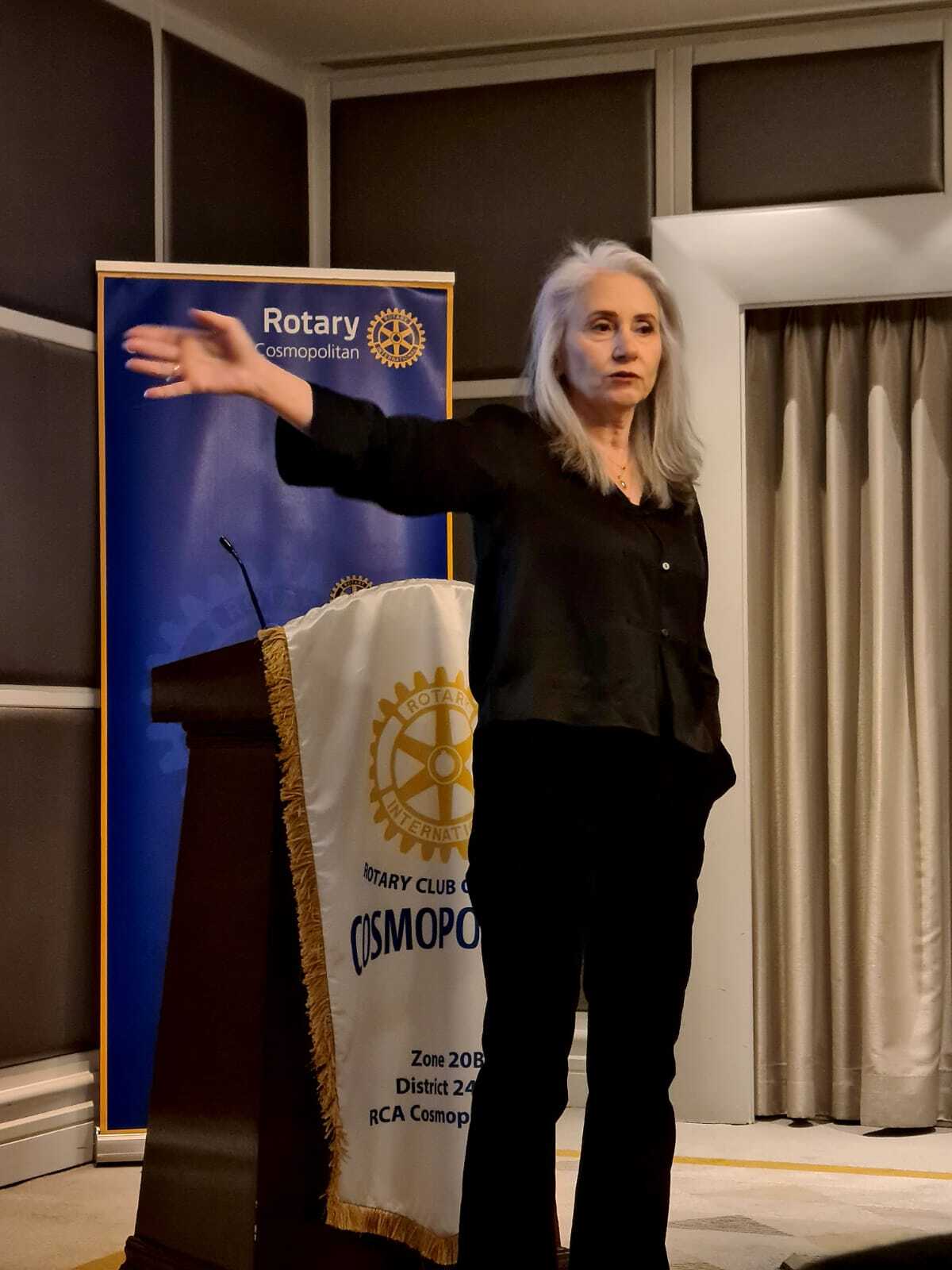
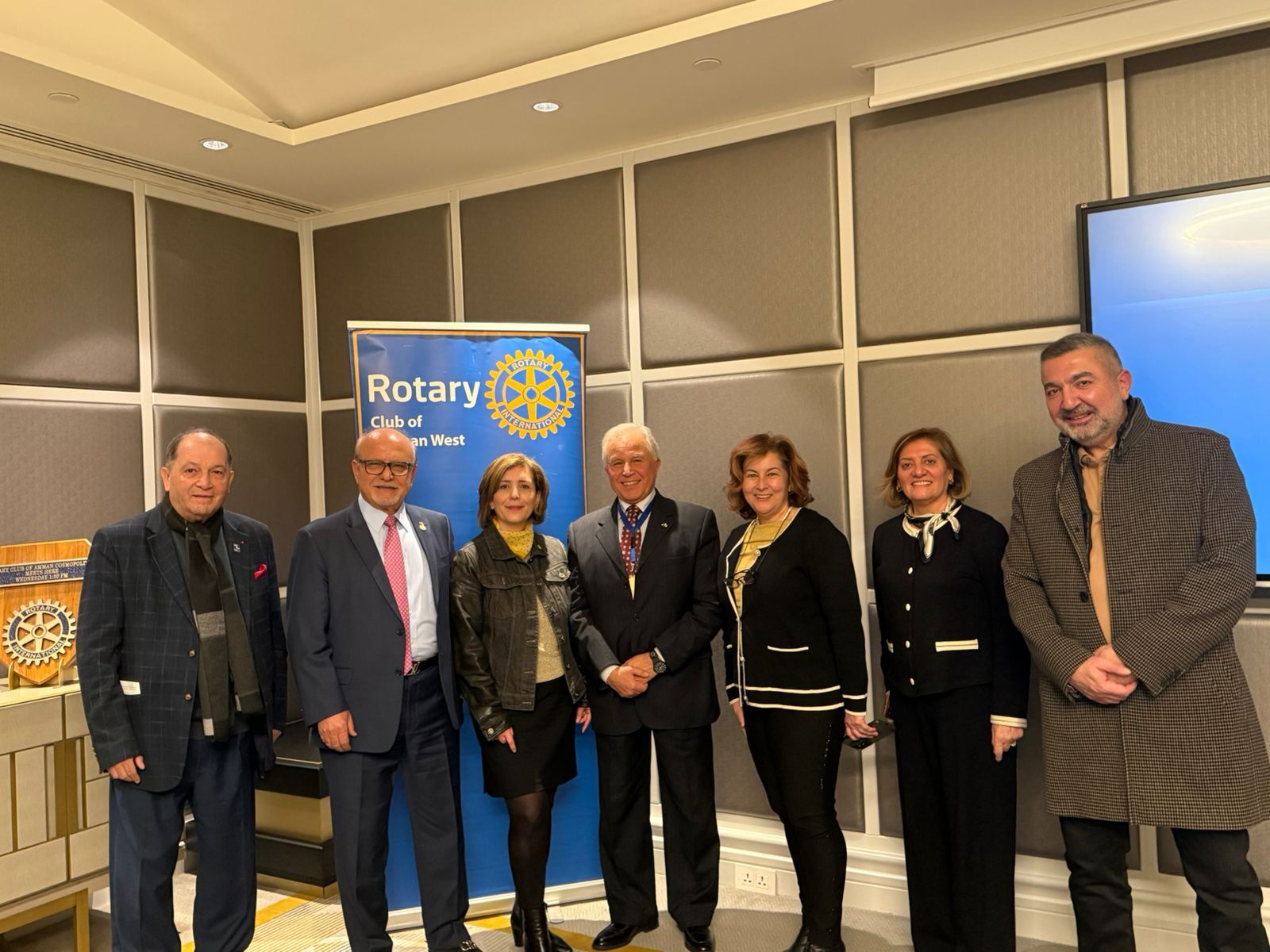
In a joint session hosted by the Amman Rotary Cosmopolitan and Amman Rotary West at the Four Seasons Hotel, communication and public speaking expert Zein Ghanma captivated attendees with a lecture on leadership presence and effective communication. The event on December 17th brought together club members, business leaders, and community figures eager to learn from Ghanma’s extensive experience.
Introduced as a seasoned coach with an impressive portfolio, Ghanma’s work spans the Middle East, including collaborations with high-profile clients, among them are members of Arab ruling families, Prime ministers, Jordanian and European diplomats, and corporate clients across the Arab World, as well as institutions in Lebanon and Jordan.
Her academic credentials include studies at Yarmouk University, a master’s degree from the Catholic University of America in Washington, D.C., a diploma in education, and a certificate in acting.
Speaking to a packed audience, Ghanma shared her personal journey into public speaking, recounting how she initially struggled with presenting in class as a freshman at Yarmouk University. “I forgot everything in my report, and I didn’t speak in class,” she recalled. Her early experiences of hesitation and avoidance eventually led her to explore acting, where she discovered her voice and passion for expression. This transformation laid the foundation for her career in coaching others in communication and leadership.
Ghanma emphasized that leadership is not confined to titles or positions. “We are all leaders, whether at home, with friends, or in business. Leadership is about connecting, inspiring, and creating presence,” she said. Drawing from her training with voice coach Patsy Rodenberg in England, Ghanma introduced a framework for enhancing leadership presence through what she called the three circles of energy.
The first circle represents inward energy, a private state where one takes in information but does not actively engage with others. This, Ghanma explained, is necessary in certain work environments or moments of reflection. The second circleprpr is one-on-one communication.
The third circle, by contrast, involves giving without receiving—speaking from a podium or issuing directives without genuine interaction. Ghanma argued that most effective leadership resides in the second circle, where individuals are fully present mentally, physically, and emotionally, engaging in a dynamic exchange with others.
“True presence is like a dance,” she noted. “It applies to every interaction, from addressing a team at work to simple acts like sharing a meal.” Through anecdotes and practical examples, Ghanma illustrated how leaders can cultivate connection, empathy, and responsiveness in their daily interactions.
Another cornerstone of Ghanma’s lecture was the importance of active listening. Quoting actor and filmmaker Alan Alda, she described listening as the ability to be changed by another person. “When you allow yourself to be open and flexible, listening becomes transformative,” Ghanma said. She stressed that this practice requires both self-awareness and empathy, enabling leaders to understand perspectives beyond their own.
Expressiveness, she explained, is equally crucial. Leaders should aim to share rather than impress, balancing openness with authenticity. Ghanma noted that moods and attitudes, particularly in professional or familial settings, can significantly affect those around us. She encouraged people to manage stress and vent privately, rather than allowing negative emotions to undermine connections with colleagues or family members.
Ghanma concluded by emphasizing that leadership and communication are skills that can be learned and refined at any stage of life. Drawing from her work with clients ranging from young children to elderly adults, she illustrated the universal need for these abilities. “Everyone can learn to express themselves, connect with others, and lead with presence,” she said.
The session ended with an interactive segment, allowing attendees to engage with Ghannam’s techniques and gain hands-on experience in cultivating presence, empathy, and communication skills. The event reinforced the Rotary Clubs’ commitment to fostering professional development and leadership within the community.
Rotary members and guests left the Four Seasons Hotel inspired, equipped with practical tools to enhance both personal and professional interactions, and reminded that leadership is as much about listening and connecting as it is about guiding and directing.