- وزير النقل وزير العمل نضال القطامين يقرر تمديد ساعات الدوام الرسمي في مكاتب ومديريات العمل اعتبارا من السبت 12 أيلول 2026 وحتى الأربعاء 30 أيلول، لتستمر من السبت حتى الخميس حتى الساعة الـ5 مساءً
- إدارة السير تعلن عن تطبيق خطة مرورية مختلفة خلال الفترة المسائية من الخميس، تشمل مراحل ما بعد الظهيرة والفترة المسائية وما بعد العشاء
- إرسال طائرة إخلاء طبي جوي، مزودة بطاقم طبي متخصص من طبابة سلاح الجو الملكي، لإخلاء أردني يبلغ من العمر (27) عامًا من الإمارات ، إثر تعرضه لحادث سير
- استشهاد 4 فلسطينيين وإصابة آخرين، الخميس، إثر قصف قوات الاحتلال الإسرائيلي منزلا في مشروع بيت لاهيا شمالي قطاع غزة.
- المتحدث الرسمي باسم قوات التحالف "تحالف دعم الشرعية في اليمن"، اللواء تركي المالكي، يقول إن الحوثيين نفذوا الأربعاء هجمات باتجاه 3 مدن سعودية
- مجلس محافظي الوكالة الدولية للطاقة الذرية، يقرر الأربعاء، إغلاق الملف المتصل بعدم وفاء سوريا بالتزاماتها
- تسود أجواء معتدلة نهارا في أغلب مناطق المملكة، الخميس، فيما تكون حارّة في البادية والأغوار والبحر الميت والعقبة
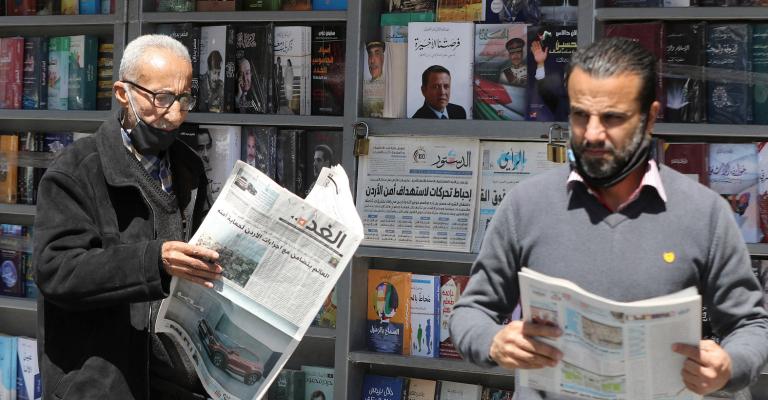
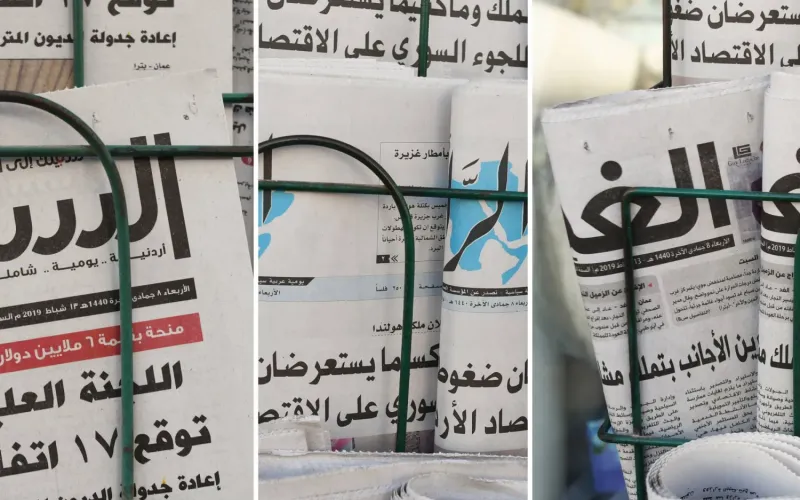
A Review of Opinion Articles: How the Kingdom Responds to Regional Crises
03/10/2026 - 11:40
A number of Jordanian columnists in local newspapers have addressed today a range of political and economic issues linked to the repercussions of regional tensions and the ongoing conflict, as well as their impact on the local economy, markets, and key sectors such as tourism, at a time when warnings of a new, transformative regional phase are rising.
In his analysis of the regional landscape, writer Mahmoud Khattab noted that Iranian history since the 1979 revolution reveals a long trajectory of involvement in regional conflicts that, over time, became a strategic burden on the state. He highlighted Tehran’s series of confrontations, from the war with Iraq to the expansion of its influence in Iraq, Syria, and Lebanon, which drained its economic and political resources. He argued that economic indicators, such as rising inflation and declining oil exports, reflect the narrowing options available to Iran, stressing that the region is heading toward new shifts, and that closing the chapter on potential Iranian influence will not end conflicts but rather mark the start of a new phase in reshaping the balance of power in the Middle East.
On the domestic economic front, writer Salameh Al-Der‘awi emphasized the need for strict market oversight to prevent unjustified price increases, especially amid regional tensions that some traders might exploit. He pointed out that Jordan’s strategic stock of essential goods is secure and supply chains are operating normally, meaning any price surge cannot be attributed to shortages. He called for rigorous monitoring, including obliging merchants to display prices clearly, supervising promotions and discounts, and employing legal tools such as fines or setting price ceilings when necessary to protect consumers and maintain market stability.
Political analyst Hamadeh Fra‘neh focused on the regional conflict from a political perspective, asserting that the United States has drawn Arab states into a confrontation with Iran primarily serving Israeli interests. He noted that U.S.-backed efforts to redraw the Middle Eastern map have left regional countries facing complex security and political challenges. Conversely, some Arab nations, particularly in the Gulf, are seeking to avoid direct involvement in the conflict by maintaining diplomatic channels with Tehran while asserting their right to defend their security and national interests.
From an economic standpoint, Issam Qudmani warned of the war’s impact on Jordan’s tourism sector, one of the most sensitive to regional tensions. He noted that cancellations of tourist bookings are rising amid growing security concerns, threatening the season and placing the sector under challenges similar to those experienced during the COVID-19 pandemic. He called for swift government intervention to support the sector, including renewing exemption packages and financial facilitation, establishing a sustainable tourism risk fund, and reducing certain taxes and energy costs to help tourism establishments withstand potential losses.