- وزير النقل وزير العمل نضال القطامين يقرر تمديد ساعات الدوام الرسمي في مكاتب ومديريات العمل اعتبارا من السبت 12 أيلول 2026 وحتى الأربعاء 30 أيلول، لتستمر من السبت حتى الخميس حتى الساعة الـ5 مساءً
- إدارة السير تعلن عن تطبيق خطة مرورية مختلفة خلال الفترة المسائية من الخميس، تشمل مراحل ما بعد الظهيرة والفترة المسائية وما بعد العشاء
- إرسال طائرة إخلاء طبي جوي، مزودة بطاقم طبي متخصص من طبابة سلاح الجو الملكي، لإخلاء أردني يبلغ من العمر (27) عامًا من الإمارات ، إثر تعرضه لحادث سير
- استشهاد 4 فلسطينيين وإصابة آخرين، الخميس، إثر قصف قوات الاحتلال الإسرائيلي منزلا في مشروع بيت لاهيا شمالي قطاع غزة.
- المتحدث الرسمي باسم قوات التحالف "تحالف دعم الشرعية في اليمن"، اللواء تركي المالكي، يقول إن الحوثيين نفذوا الأربعاء هجمات باتجاه 3 مدن سعودية
- مجلس محافظي الوكالة الدولية للطاقة الذرية، يقرر الأربعاء، إغلاق الملف المتصل بعدم وفاء سوريا بالتزاماتها
- تسود أجواء معتدلة نهارا في أغلب مناطق المملكة، الخميس، فيما تكون حارّة في البادية والأغوار والبحر الميت والعقبة
UNHCR: Nearly 427,000 Refugees and Asylum Seekers Registered in Jordan by February 2026
UNHCR: 49% of Refugees in Jordan Are Children, Totaling 209,467
03/11/2026 - 13:03
The number of registered refugees and asylum seekers in Jordan decreased to approximately 427,000 by February 2026, compared to around 437,000 at the end of January, a decline of 2.3%, according to data from the United Nations High Commissioner for Refugees (UNHCR).
Data indicate that Syrian refugees continue to constitute the vast majority of those registered with UNHCR, numbering 403,548, or 94.5% of the total. They are followed by Iraqis with 12,309 refugees (2.9%), Yemenis with 6,089 (1.4%), and Sudanese with 4,270 (1%). Additionally, there are 322 refugees from Somalia and 393 from other nationalities.
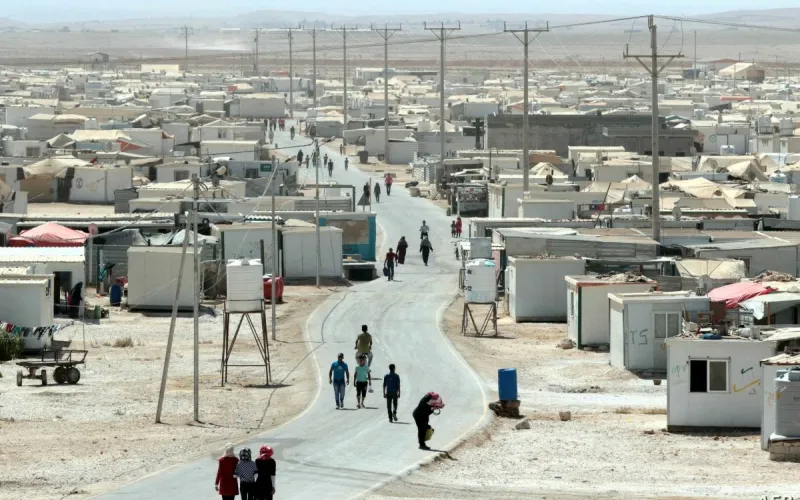
Most refugees reside in urban areas, with 343,703 people (80.5%) living in cities and towns across Jordan, compared to 83,228 (19.5%) residing in camps. Within the camps, 49,596 refugees live in Zaatari Camp and 33,475 in Azraq Camp, according to UNHCR data.
Half of the Refugees Are Children
Children make up roughly half of the refugee population in Jordan, totaling 209,467, or 49.06%, compared with 199,485 adults (46.73%). Among them, 107,299 are boys (25.13%) and 102,168 are girls (23.93%). The adult population includes 103,034 women (24.13%) and 96,451 men (22.59%).
Refugee numbers are concentrated in Amman with 147,038 registered, followed by Irbid with 71,939, Mafraq with 52,803, and Zarqa with 26,465. Other governorates include Balqa (11,735), Madaba (8,781), Ma’an (6,964), Karak (5,487), Jerash (4,850), Aqaba (3,252), Ajloun (3,079), and Tafilah (1,081), with 229 refugees registered in other areas.
Voluntary Returns
Regarding voluntary returns of Syrian refugees from Jordan to Syria, over 185,000 refugees returned between December 8, 2024, and mid-February 2026. UNHCR noted a decrease in return rates since the start of Ramadan.
Between February 22 and 28, more than 350 registered refugees returned from Jordan to Syria, marking a significant drop of nearly 65% compared to the previous week, when around 1,000 refugees returned.