- مصدر عسكري مسؤول في القيادة العامة للقوات المسلحة الأردنية – الجيش العربي، يصرح بأن منظومات الدفاع الجوي أسقطت فجر الخميس 8 صواريخ إيرانية كانت تستهدف أراضي المملكة
- مدعي عام محكمة الجنايات الكبرى، يقرر توقيف مواطن أردني مشتبه به بقتل فتاة أميركية في إيرلندا، مدة 15 يوما في أحد مراكز الإصلاح والتأهيل
- الهيئة الخيرية الأردنية الهاشمية، تسير قافلة عاشرة من المساعدات الإنسانية إلى الجمهورية اللبنانية الشقيقة، تضم 26 شاحنة محمّلة بالمواد الإغاثية والغذائية والطبية
- أمانة عمّان الكبرى تقول أنها ستقوم صباح غد الجمعة بتنفيذ أعمال إنشاء عبارة صندوقية في شارع الاميرة ثروت في المقطع الواقع من دوار الأمير راشد إلى تقاطع شارع الاميرة ثروت مع شارع الزنجبيل، و إغلاق جزئي وكلي لمسارب الشارع
- عودة أكثر من 203 آلاف لاجئ سوري طوعا من الأردن إلى سوريا منذ 8 كانون الأول 2024 وحتى 30 حزيران حسب المفوضية السامية للأمم المتحدة لشؤون اللاجئين
- استشهاد ثلاثة فلسطينيين وإصابة آخرين ، الخميس، بقصف للاحتلال الإسرائيلي على مدينة غزة
- وزير دفاع الاحتلال الإسرائيلي يسرائيل كاتس يبلغ وزير الحرب الأميركي بيت هيغسيث الخميس بأن الاحتلال عازم على إبقاء قواته في ما يسميها "المناطق الأمنية" التي أنشأتها داخل لبنان وسوريا وقطاع غزة
- يكون الطقس الخميس، حارا نسبياً في أغلب المناطق، وحارًا في البادية والأغوار والبحر الميت والعقبة
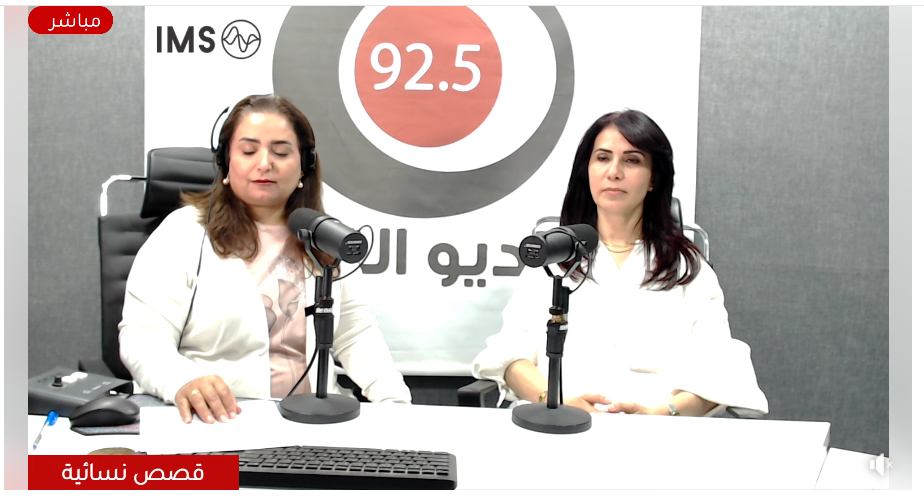
Women’s Stories Program: When Responsibility Turns into Passion

04/09/2026 - 13:30
The first episode of the Women’s Stories Program welcomes Qamar Al-Nabulsi, a writer, life and management skills trainer, and former member of the Greater Amman Municipality Council, for a conversation about civil society building. Through grassroots initiatives and local engagement, she has created tangible improvements on behalf of communities across Amman and encourages other Jordanians to love and holistically invest in their country as well.
Conversation with Qamar Talat Al-Nabulsi
Qamar Al-Nabulsi discusses the importance of raising voices both in celebration and criticism to promote dialogue and construct positive change. She began her career as an agricultural engineer for the Greater Amman Municipality Council, where she built public gardens to enrich communities across Amman. Noticing the effects of vandalism and litter on these green spaces, she became interested in civil society initiatives.
Drawing upon her love for culture, literature, and society, she sought to enrich Amman’s youth through cultural and community-based initiatives and began her first project on behavioral development after moving to the council’s Department of Culture in 2018. In this role, she focused on discouraging negative behaviors such as vandalism in children aged 9 to 13, instead instilling in them effective communication skills and healthy outlets for emotions.
She discusses wanting to make Amman into a capital city with beautiful streets and parks that “build the human being.” She expresses a concern not just for stones, trees, and streets, but for the larger effects of these public spaces on individuals. Through public gardens, cultural centers, libraries, and galleries, she hopes to foster a love for culture, education, and community.
Because of her strong belief in the importance of human development, Al-Nabulsi began a program to train Jordanians in life and management skills. These free, voluntary lectures have fostered a sense of belonging, effective communication strategies, and open dialogue, especially among youth. Additionally, by bringing in local artists, this program has provided many with classes in art and storytelling, creating opportunities for personal and professional development. Ultimately, this project received the King Abduli Award for Creativity in recognition of its impact.
Al-Nabulsi goes on to discuss challenges she encountered as an elected official representing the diverse Abdali area. Through discussions with community members, she found that many people are frustrated with the government or municipality but few actually go out to vote. She notes that many Jordanians view civil society as a luxury with no real role in development. Because of this, she stresses the importance of human, grassroots civil society initiatives in effecting change, rather than an overreliance on bureaucracy. Al-Nabulsi believes that citizens should be involved in decision making, encouraging a sense of stakeholdership that allows people to feel that they are capable of – and responsible for – meaningfully contributing towards their community and country.
Through her role in the Greater Amman Municipality Council and efforts to collaborate with community members, she successfully implemented many initiatives, revitalizing the Al-Hussein Market, reducing traffic congestion at the Arjan exit, and increasing the social responsibility of the private sector, among many others. On her work as an elected official, she noted her desire to “be among the people and help them,” and emphasized that it is essential to continuously demand things for the betterment of the community. She expresses that while some may be frustrated or disillusioned with leadership, they must remember that “this country, this is mine.” In this spirit, she finds that individuals must actively take responsibility for their role in shaping and improving society.
Additionally, she emphasizes the city’s responsibility to its youth and the importance of fostering a relationship between local authorities and communities. Based on her firm belief in civil society as a means to enrich youth while guiding them away from negative behaviors, she hopes that schools and universities will implement life skills training and teach youth to express their feelings through positive outlets.
She ends the program by reinforcing that although youth, and especially women and girls, will face challenges when entering the workplace or trying to effect change in their community, it is essential that they persevere, build themselves up, and make their voices heard.
Episode Link: قمر النابلسي: حين تتحول المسؤولية إلى شغف | موقع عمان نت
This program is prepared and presented by Hadeel Al-Sa’bi.
This podcast segment was prepared by our colleague Ataf Al-Rodan.
The Women’s Stories Program is funded by IMS.