- أمانة عمّان الكبرى، تقر تعليمات حظر بيع وتداول المنتجات البستانية خارج سوق عمّان المركزي للخضار والفواكه والمنصة الإلكترونية المعتمدة من الأمانة
- فترة تقديم طلبات القبول الموحد للدورة العامة/ الصيفية 2026-2027 لمرحلة البكالوريوس تنتهي عند الساعة 12 من منتصف ليلة الخميس/ الجمعة
- المنطقة العسكرية الجنوبية، تحبط الأربعاء، عملية تهريب كمية كبيرة من المواد المخدرة، بعد رصد بالون موجّه محمّل بالمخدرات، كان في طريقه إلى الأراضي الأردنية
- مستوطنون، يواصلون الخميس، لليوم الثاني عشر على التوالي، محاصرة عدد من المنازل في بلدة قصرة، جنوب نابلس، وسط حماية من جيش الاحتلال الإسرائيلي
- الرئيس الأميركي دونالد ترامب، يهدد بتحميل "أي دولة" تساعد إيران أو تتعامل معها تجاريّا تبعات اقتصادية "وخيمة"
- تتأثر المملكة، الخميس، بكتلة هوائية حارة ويكون الطقس حارا نسبيا في أغلب المناطق، وحارا جدا في البادية والأغوار والبحر الميت والعقبة
UNHCR official discusses solutions to the Syrian refugee crisis

03/20/2022 - 15:11
There are three dimensions to bringing a solution to the Syrian refugee problem: return, localization, and resettlement.
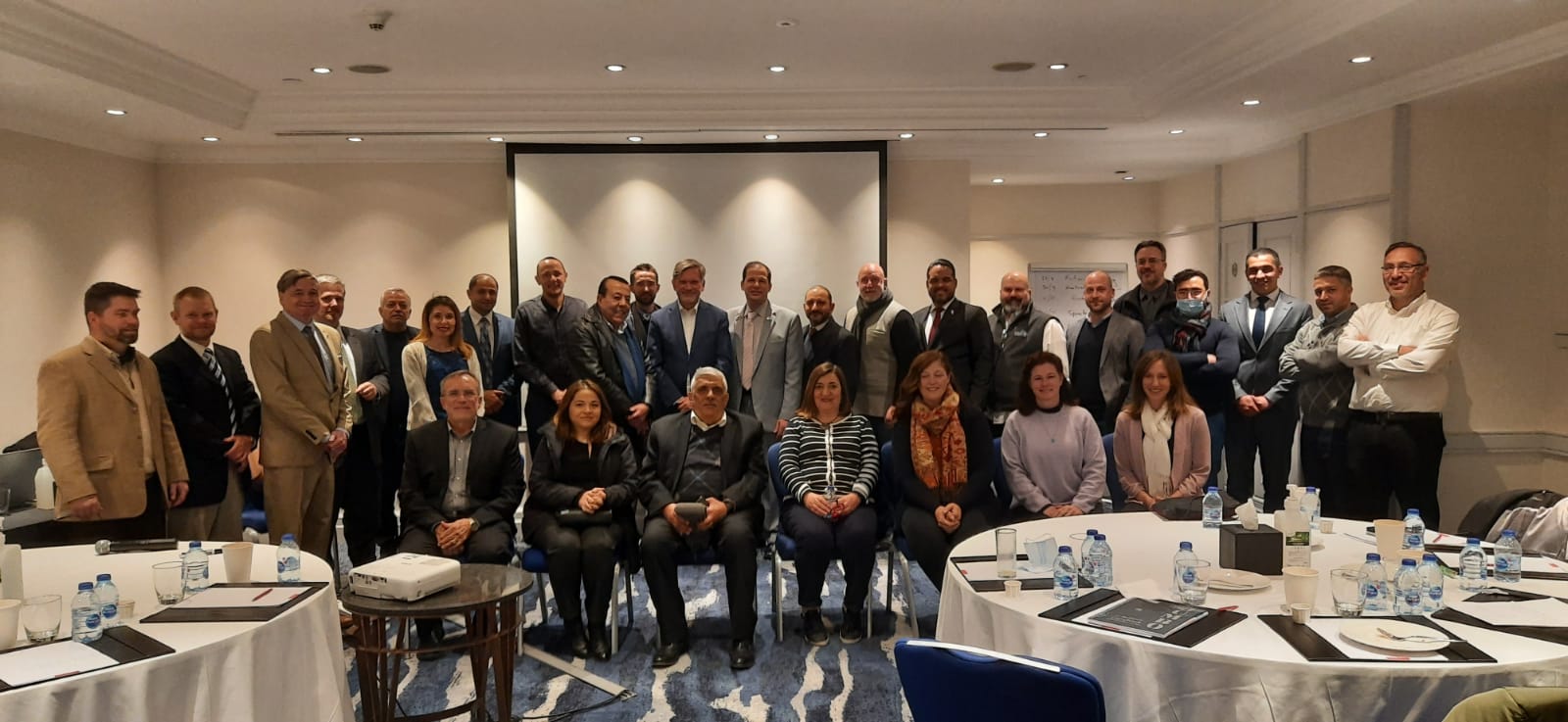
Referring to the global mandate of the UN refugee agency, Dominik Bartsch, the German-born representative of UNHCR in Jordan explored these angles in a speech at the Amman International Rotary Club.
Addressing the provisionally licensed club at the Hyatt Hotel in Amman, on Wednesday, March 15, Bartsch gave repeated praise to Jordan. He lauded Jordan’s generous role in accepting Syrian (and other) refugees, providing for their free basic education, access to health care and the labour market, and making their stay as comfortable as possible despite the drain on the infrastructure, especially water.
The UNHCR Representative Bartsch said that the voluntary return of refugees was the top priority for the UN agency but pointed out that the situation in Syria was not conducive for large-scale returns at this point and that UNHCR, therefore, could not encourage Syrian refugees to return.
The fact that the Syrian crisis has gone on for a long time suggests the over 600,000 Syrian refugees registered with UNHCR will require continued support. Bartsch said that while many Syrian refugees are part of the informal economy of Jordan, some have advanced professional qualifications and could make an active contribution to Jordan. “This extended stay of the refugees requires some rethinking of what can be done locally until they can return.”
The UN official suggested that there might be possibilities of allowing better access to the labour market without this being at the expense of Jordanians. “For example, Jordan made an encouraging move to taking in a number of Syrian medical professionals during the pandemic and as part of the Covid-19 response team. This was not at the expense of regular Jordanian medical staff,” he remarked.
The third possible solution to the refugee crisis is resettlement, the acceptance of refugees in third countries. While the UN official recognized that this may not generate large numbers, he confirmed that about 5,000 refugees departed from Jordan every year on resettlement to third countries.
Bartsch explained that countries that are willing to accept refugees do so on humanitarian grounds but also share the burden with Jordan which was an “important signal of international solidarity.”
The UNHCR representative fielded questions from the audience and gave detailed answers as to his agency's policies and ways in which it coordinates its activities with the Jordanian government, donors, and other partners. In answering one question, Bartsch expressed concern about the effects of the long-term crisis and the possibility of humanitarian funding being prioritized in support of other conflicts around the world including the ongoing refugee crisis triggered by the Ukraine conflict.