Jordan needs a revolution in facilities and administrative matters to improve tourism revenue

09/15/2026 - 10:54
David Kuttab
The Jordanian tourism sector faces recurring challenges, despite its significant contribution to the national economy over the decades. As preparations continue for the millennium celebration of the Baptism of Christ on the East Bank of the Jordan River, inconvenient procedures at Jordanian airports and border crossings persist, many of which could be addressed through decisive administrative decisions coordinated among the relevant authorities.
These proposals aim to facilitate air and land arrivals and departures by reducing redundant procedures and unnecessary bureaucracy, without compromising security and control requirements. The intention is not to alter essential security measures, but to restructure operations to be faster, more efficient, and aligned with international travel standards.
Despite Queen Alia International Airport's success and numerous awards, it still needs to reduce the unusual bureaucratic procedures compared with most airports worldwide. Upon arrival at the departures hall, passengers must present their travel documents to a security officer and have their luggage checked before proceeding to the airline check-in area and before any formal interaction with passport control or further thorough security screening.
This duplication raises questions about its effectiveness; in many cases, it doesn't seem to provide a genuine check on each passenger, but instead causes congestion and initial waiting times that negatively affect the travel experience and increase the likelihood of delays. While the aim may be to restrict family access to check-in areas or specific locations, continuing the procedure in its current form is unjustified, especially since access can be managed with less disruptive methods, as in airports worldwide that allow passengers' companions access to designated areas before the official check-in process.
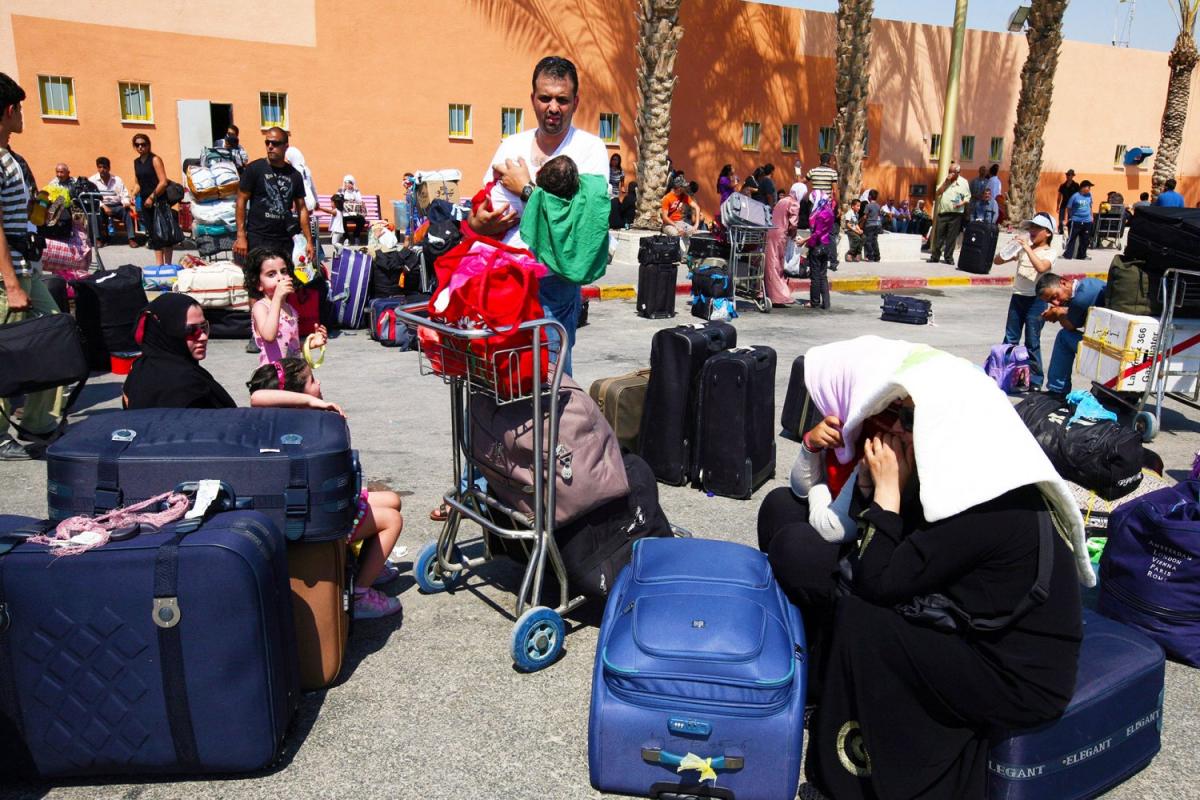
Regarding land crossings, challenges are observed during the summer and holidays at the King Hussein Bridge crossing and the northern Sheik Hussein crossing, due to a gap between the number of employees and the actual capacity.
Each crossing has specific difficulties. For example, travelers crossing the King Hussein Bridge in both directions must still submit and have their documents reviewed at two different counters, which is unusual given the possibility of consolidating all requirements into a single computer system, as at all other Jordanian and international border crossings. While the King Hussein Bridge is not an international crossing, this does not preclude unifying procedures and receiving travelers through a single counter.
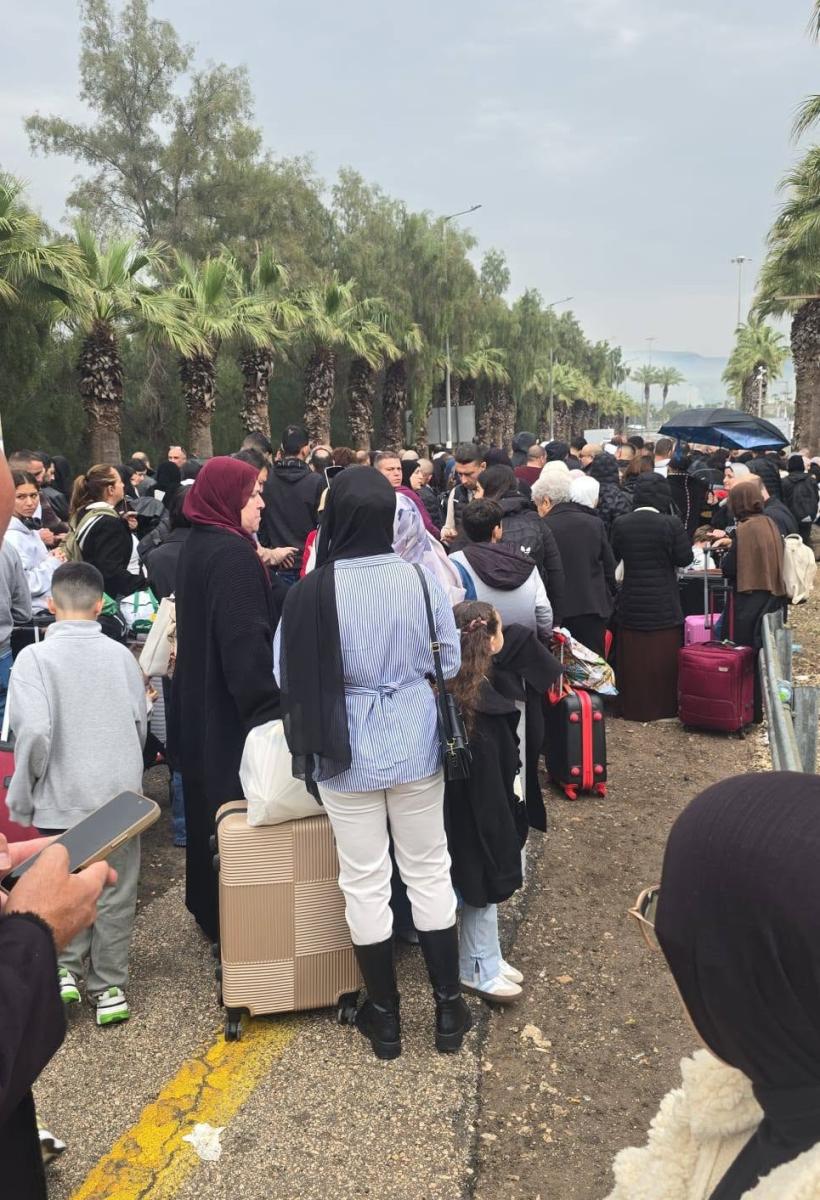
At the northern crossing, during certain periods such as various holidays, especially Jewish holidays and concerts by Arab artists, a huge number of travelers arrive, exceeding the capacity of the existing facility and its staff to handle them in a reasonable timeframe. This requires preparation through coordination with all relevant authorities and increased staffing during these periods. The facility also needs expansion and additional vehicle inspection lanes, particularly during peak times and concerts.
There is also a need to simplify and eliminate some outdated and illogical conditions imposed on Palestinian travelers from Jerusalem, such as forcing them to purchase an expensive paper permit from the Israeli authorities for each trip, which guarantees a return for three years, while the travel document (laissez-passer) remains valid for five years and costs the Jerusalemite only once. These complications reduce the number of Jerusalemite travelers using the King Hussein Bridge, as they often choose, for financial reasons, to travel via Israel's Ben Gurion Airport (Lod Airport), thus depriving Jordan of significant tourism revenue.
The problem also affects those arriving from Syria, many of whom complain about long waiting times, leading to decreased use of Queen Alia International Airport. Many Syrians now prefer to travel by land to Lebanon or by air to Turkey and then on to other destinations. The Syrian side recently made significant improvements to their facilities, making them more like airports than land border crossings, and travelers notice the stark difference between the two.
Visitors to Jordan, whether arriving or transiting, support hotels, restaurants, and other tourist sites, generating significant revenue. Travel fees are another source of income for the state treasury, justifying the substantial expenditure on upgrading land border crossings to match the standards of Queen Alia International Airport. Furthermore, Jordan needs a comprehensive strategic study to reduce unnecessary bureaucratic and security procedures that impede travel and reduce the number of visitors to Jordan.
If Jordan’s goal is to improve the tourism sector, increase arrivals, and facilitate passenger travel, it must study air and land crossings and compare them with global standards. It will become clear that when a qualitative shift is implemented in procedures and crossings, the number of arriving and departing passengers will increase significantly, supporting the sector and helping it out of its current crisis.