- أمانة عمّان الكبرى، تقر تعليمات حظر بيع وتداول المنتجات البستانية خارج سوق عمّان المركزي للخضار والفواكه والمنصة الإلكترونية المعتمدة من الأمانة
- فترة تقديم طلبات القبول الموحد للدورة العامة/ الصيفية 2026-2027 لمرحلة البكالوريوس تنتهي عند الساعة 12 من منتصف ليلة الخميس/ الجمعة
- المنطقة العسكرية الجنوبية، تحبط الأربعاء، عملية تهريب كمية كبيرة من المواد المخدرة، بعد رصد بالون موجّه محمّل بالمخدرات، كان في طريقه إلى الأراضي الأردنية
- مستوطنون، يواصلون الخميس، لليوم الثاني عشر على التوالي، محاصرة عدد من المنازل في بلدة قصرة، جنوب نابلس، وسط حماية من جيش الاحتلال الإسرائيلي
- الرئيس الأميركي دونالد ترامب، يهدد بتحميل "أي دولة" تساعد إيران أو تتعامل معها تجاريّا تبعات اقتصادية "وخيمة"
- تتأثر المملكة، الخميس، بكتلة هوائية حارة ويكون الطقس حارا نسبيا في أغلب المناطق، وحارا جدا في البادية والأغوار والبحر الميت والعقبة
Jordan and Syria: Strategic shifts in energy corridors amid Hormuz disruptions

03/31/2026 - 14:58
Jordan and Syria have reached agreements on several joint energy projects aimed at ensuring the continuity of energy supplies, including a gas supply deal to Syria via Jordan.
Infrastructure Development: Significant investments are being made in the ports of Aqaba and Latakia, as well as in pipelines such as the Basra-Aqaba line, to transform them into key regional logistics hubs.
Strategic Alternatives to the Strait of Hormuz: These initiatives are designed to reduce reliance on traditional shipping routes that are vulnerable to geopolitical disruptions.
Amid growing geopolitical challenges, particularly the closure of the Strait of Hormuz and rising global energy prices, Jordan and Syria are striving to establish themselves as major players in the regional energy landscape. Their efforts focus on creating new energy corridors that leverage their strategic geographic locations and expanding infrastructure. These joint initiatives aim to secure the flow of oil and gas while reducing dependence on sensitive maritime routes, strengthening energy security not only for the region but globally.
Strait of Hormuz Closure: A Key Driver for Change
The Strait of Hormuz is a vital artery for global oil trade, handling roughly 20% of the world’s oil supplies. Its closure in March 2026 sparked concerns over energy security, pushing oil prices up by as much as 50% and creating shortages in liquefied natural gas, especially in Asian markets. This urgent situation accelerated long-planned infrastructure projects in the region, including in Jordan and Syria, providing alternative land and sea routes and mitigating the impact of future disruptions on critical shipping lanes.
Jordan: The East-to-West Gateway
Jordan seeks to establish itself as a regional energy hub, benefiting from its strategic location connecting the Gulf states to the Mediterranean. Key initiatives include:
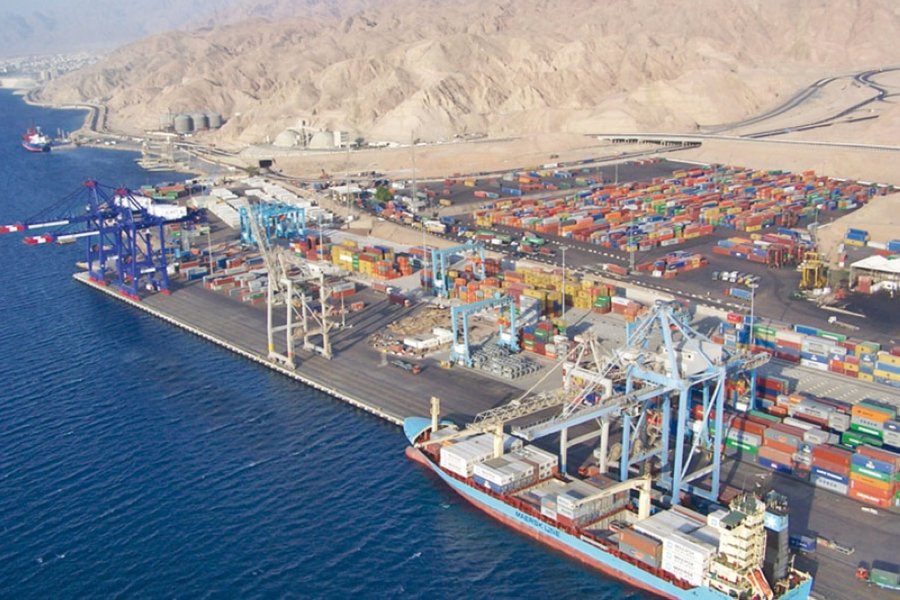
Port of Aqaba: A Multi-Dimensional Logistics Hub
Aqaba, Jordan’s Red Sea port, is central to the country’s strategy of becoming an energy corridor. Plans are underway to expand its capacity to handle large volumes of oil and liquefied natural gas, positioning it as a major receiving and re-exporting point. These plans include developing fuel storage and processing facilities and enhancing logistics connections with neighboring countries.
Basra-Aqaba Pipeline Project: A New Lifeline for Iraqi Oil
The Basra-Aqaba pipeline has gained momentum following the closure of the Strait of Hormuz. It is designed to transport around 1.5 million barrels of Iraqi oil daily from Basra to Aqaba and onward to global markets. Despite earlier delays due to regional tensions, the project saw rapid revival and restoration work began in March 2026. This pipeline offers a secure and cost-effective overland route, reducing costs by 20–30% compared to traditional maritime routes, and represents a strategic milestone for both Iraq and Jordan.
Gas Supply to Syria: Strengthening Regional Cooperation
In a step reflecting enhanced regional collaboration, Jordan and Syria signed an agreement to supply Damascus with approximately 4 million cubic meters of natural gas per day starting January 2026. The gas is transported via Jordan using existing infrastructure, including the Arab Gas Pipeline and a floating LNG terminal at Aqaba. The agreement aims to support Syria’s electricity sector, reduce blackouts, and reinforce Jordan’s role as a regional gas distribution hub.
Latakia Port: A Renewed Maritime Energy Hub
Syria aims to leverage its Mediterranean coastline to strengthen its role as an energy transit hub. Following a 30-year agreement with French company CMA CGM in May 2025, Latakia Port is undergoing extensive upgrades to increase oil and gas handling capacity to 20 million tons annually and construct modern storage facilities and LNG silos. Latakia will serve as a strategic alternative for rerouting Gulf energy shipments to European and Mediterranean markets.
Coordination between Jordan and Syria to link Aqaba and Latakia ports aims to facilitate energy and goods flow via shared land corridors, reducing costs and ensuring supply continuity. This logistical integration strengthens Syria’s energy economy and provides Jordan with significant export revenues.
Economic and Geopolitical Impacts of New Energy Corridors
Economic Opportunities:
- Diversified Revenue Streams: New corridors provide stable income for Jordan and Syria from transit, storage, and export fees.
- Boost Regional Trade: Facilitate goods movement and reduce transport costs, enhancing regional commerce.
- Job Creation: Large infrastructure projects generate thousands of jobs in construction, operation, and maintenance.
- Attract Investment: Increased foreign investment in energy and logistics sectors.
Geopolitical Implications:
- Enhanced Energy Security: Alternative routes reduce reliance on volatile maritime channels.
- Increased Regional Influence: Control of key energy corridors boosts Jordan and Syria’s geopolitical clout.
- Alliance Shifts: New projects may form or strengthen regional alliances.
- Reduced Tensions: Providing alternatives can alleviate some geopolitical pressures linked to control of strategic routes.
Key Projects and Initiatives
| Project/Initiative | Countries Involved | Main Objectives | Current Status/Expectations |
|---|---|---|---|
| Basra-Aqaba Pipeline | Iraq, Jordan | Transport 1.5M barrels/day from Basra to Aqaba; reduce Hormuz dependence | Restoration accelerated; operations expected post-2026 |
| Aqaba Port Development | Jordan | Transform into a regional hub for oil/LNG; expand logistics capacity | Ambitious expansion plans underway |
| Gas Supply to Syria | Jordan, Syria | Supply 4M m³/day via Jordan; support Syrian electricity sector | Flow expected from Jan 2026 |
| Latakia Port Upgrade | Syria | Increase oil/gas capacity to 20M tons/year; modern storage | 30-year CMA CGM development contract; intensive rehab ongoing |
| Aqaba-Latakia Logistic Link | Jordan, Syria | Facilitate energy/goods flow through shared land corridors | Cooperation and coordination ongoing |
Opportunities and Challenges in the Energy Transition
Opportunities:
- Strategic geolocation at East-West trade crossroads
- Advanced infrastructure supporting future roles
- Growing global energy demand ensures corridor importance
- Regional integration through joint projects
Challenges:
- Political and security instability may affect projects
- Financing massive infrastructure remains a hurdle
- Regional competition from alternative energy routes
- Technical and operational challenges require advanced expertise
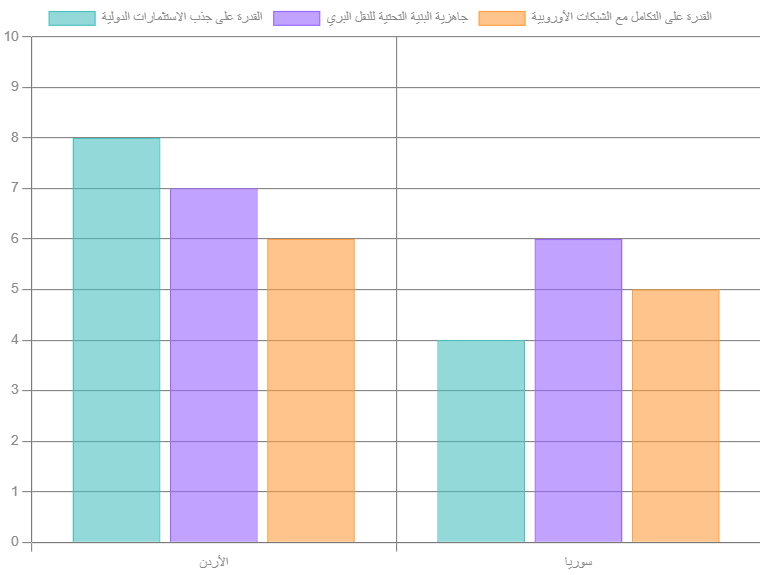
Through combined efforts, Jordan and Syria are transforming into vital energy corridors, driven by the urgent need to reduce reliance on the Strait of Hormuz. Developing Aqaba and Latakia ports, revitalizing the Basra-Aqaba pipeline, and advancing gas supply agreements set a new path for regional and global energy security. These initiatives promise not only economic gains but also enhanced geopolitical stability and greater resilience against future disruptions in global energy supply chains. Political will and regional cooperation pave the way for a promising future for these new energy corridors.