- أمانة عمّان الكبرى، تقر تعليمات حظر بيع وتداول المنتجات البستانية خارج سوق عمّان المركزي للخضار والفواكه والمنصة الإلكترونية المعتمدة من الأمانة
- فترة تقديم طلبات القبول الموحد للدورة العامة/ الصيفية 2026-2027 لمرحلة البكالوريوس تنتهي عند الساعة 12 من منتصف ليلة الخميس/ الجمعة
- المنطقة العسكرية الجنوبية، تحبط الأربعاء، عملية تهريب كمية كبيرة من المواد المخدرة، بعد رصد بالون موجّه محمّل بالمخدرات، كان في طريقه إلى الأراضي الأردنية
- مستوطنون، يواصلون الخميس، لليوم الثاني عشر على التوالي، محاصرة عدد من المنازل في بلدة قصرة، جنوب نابلس، وسط حماية من جيش الاحتلال الإسرائيلي
- الرئيس الأميركي دونالد ترامب، يهدد بتحميل "أي دولة" تساعد إيران أو تتعامل معها تجاريّا تبعات اقتصادية "وخيمة"
- تتأثر المملكة، الخميس، بكتلة هوائية حارة ويكون الطقس حارا نسبيا في أغلب المناطق، وحارا جدا في البادية والأغوار والبحر الميت والعقبة
How to Spot AI-Generated Videos from Real Footage
03/11/2026 - 12:28
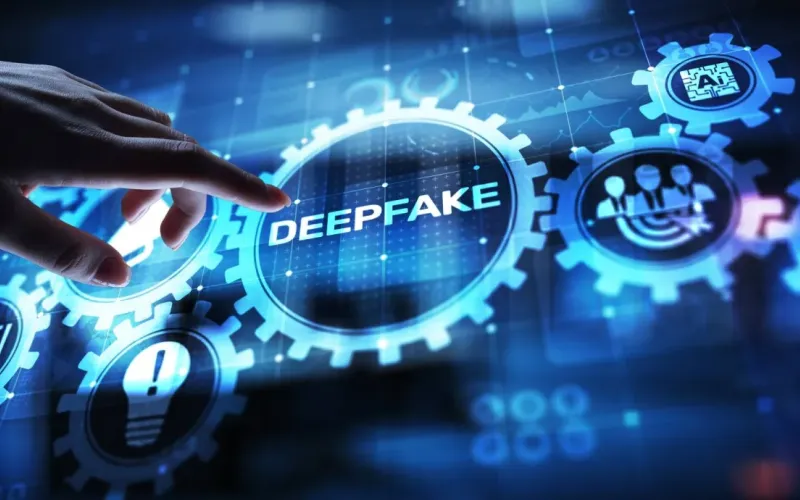
With the rapid advancement of artificial intelligence technologies, creating videos that appear highly realistic has become accessible to almost anyone. These clips, often referred to as “deepfakes,” can show people saying or doing things that never actually happened. As this technology spreads across social media platforms, it has become essential for audiences to develop basic skills to distinguish between real videos and AI-generated ones.
Widespread Use and Significant Impact
In recent years, AI has been increasingly used to produce videos for entertainment, promotional, or even political purposes. With easy access to AI content creation tools, such videos can spread rapidly, especially during crises, wars, or election periods.
Digital media experts warn that fake videos can be used to manipulate public opinion or spread misinformation, creating a major challenge for both journalists and the general audience.
Signs That Reveal a Fake Video
Despite the sophistication of deepfake technology, certain indicators can help detect AI-generated videos.
Facial and Lip Movements
In some deepfakes, lip movements may not match spoken words precisely, or facial expressions may appear unnatural compared to typical human behavior.
Eye Movements and Blinking
Occasionally, subjects blink unnaturally—either too rapidly or too slowly—a common telltale sign in many AI-generated videos.
Fine Details in the Image
Small distortions may appear in details such as teeth, ears, or hands. Slight blurring around facial edges or hair can also indicate difficulty in rendering these features accurately.
Lighting and Shadows
Lighting may be inconsistent with the surrounding environment, or shadows may fall in unrealistic directions relative to the scene’s light source.
Verify Before Sharing
Experts recommend not relying on the video alone as a source of information. It’s better to cross-check the story with reputable media outlets or see if known news organizations have published the same footage.
Digital verification tools, such as reverse image searches or video analysis platforms, can also help identify the original source of a clip.
The Role of Journalism in the Era of Deepfakes
As these technologies become more widespread, journalism must develop new tools and methods to verify digital content. The challenge is no longer just speed in reporting news but ensuring accuracy and exposing manipulation.
In an age increasingly reliant on visual content, digital literacy becomes the first line of defense against fake news. Carefully examining details, confirming sources, and applying critical thinking before sharing content are simple yet crucial steps to safeguard truth in the age of artificial intelligence.