- مصدر عسكري مسؤول في القيادة العامة للقوات المسلحة الأردنية – الجيش العربي، يصرح بأن منظومات الدفاع الجوي أسقطت فجر الخميس 8 صواريخ إيرانية كانت تستهدف أراضي المملكة
- مدعي عام محكمة الجنايات الكبرى، يقرر توقيف مواطن أردني مشتبه به بقتل فتاة أميركية في إيرلندا، مدة 15 يوما في أحد مراكز الإصلاح والتأهيل
- الهيئة الخيرية الأردنية الهاشمية، تسير قافلة عاشرة من المساعدات الإنسانية إلى الجمهورية اللبنانية الشقيقة، تضم 26 شاحنة محمّلة بالمواد الإغاثية والغذائية والطبية
- أمانة عمّان الكبرى تقول أنها ستقوم صباح غد الجمعة بتنفيذ أعمال إنشاء عبارة صندوقية في شارع الاميرة ثروت في المقطع الواقع من دوار الأمير راشد إلى تقاطع شارع الاميرة ثروت مع شارع الزنجبيل، و إغلاق جزئي وكلي لمسارب الشارع
- عودة أكثر من 203 آلاف لاجئ سوري طوعا من الأردن إلى سوريا منذ 8 كانون الأول 2024 وحتى 30 حزيران حسب المفوضية السامية للأمم المتحدة لشؤون اللاجئين
- استشهاد ثلاثة فلسطينيين وإصابة آخرين ، الخميس، بقصف للاحتلال الإسرائيلي على مدينة غزة
- وزير دفاع الاحتلال الإسرائيلي يسرائيل كاتس يبلغ وزير الحرب الأميركي بيت هيغسيث الخميس بأن الاحتلال عازم على إبقاء قواته في ما يسميها "المناطق الأمنية" التي أنشأتها داخل لبنان وسوريا وقطاع غزة
- يكون الطقس الخميس، حارا نسبياً في أغلب المناطق، وحارًا في البادية والأغوار والبحر الميت والعقبة
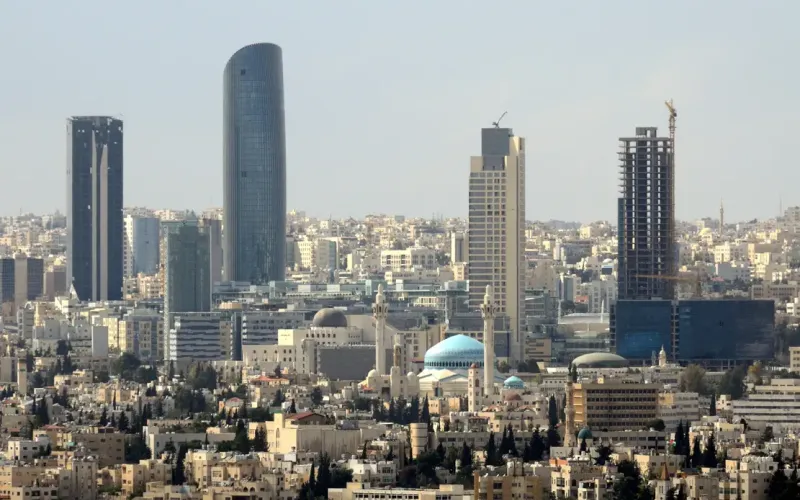
How Do Jordanian Politicians Read the Scenarios of Survival Amid a Region in Flames?
03/05/2026 - 13:16
At a Ramadan gathering held away from the cameras and hosted by Senator Omar Al-Ayasrah, a group of Jordanian officials and political figures sought to unpack the complex landscape surrounding Jordan, both domestically and externally. With an economy under persistent pressure and a region growing increasingly volatile, the conversation quickly moved beyond routine diagnoses of crisis.
Instead, participants raised a more fundamental question—one that goes beyond conventional assessments of challenges: how can the kingdom preserve its resilience and capacity for recovery while caught in the vise of suffocating geopolitical pressures and deep structural economic strains weighing heavily on society?
According to those elites—among them former prime ministers—Jordan no longer faces separate challenges that can be addressed piecemeal. Rather, the country is confronting what many describe as a “perfect storm,” in which border security threats intersect with mounting domestic economic hardships. Israel’s expansionist project, which many Jordanian elites now openly describe as an “existential threat,” is no longer viewed as mere political rhetoric but as a reality defined by facts and figures on the ground.
With the number of Israeli settlers in the West Bank surpassing 700,000 by 2025, Jordanian policymakers recognize that attempts to liquidate the Palestinian cause and impose new demographic and geographic realities directly affect the kingdom’s sovereignty and national security. Such developments risk turning Jordan’s longest shared border into a permanent line of confrontation with the ambitions of Israel’s far right—ambitions that extend beyond territory to include control over vital water and energy resources.
This Israeli expansion, accompanied by efforts to dominate gas fields in the Eastern Mediterranean and the Jordan River basin, is viewed not only as territorial enlargement but also as an attempt to create conditions of forced economic dependency among neighboring states.
Political elites warn that the continuation of such policies could inevitably lead to waves of forced displacement and demographic transformation across the region. For Jordan, that would mean confronting humanitarian and security repercussions that could exceed the capacity of infrastructure already strained by successive refugee crises. Meanwhile, the prospect of renewed military escalation in Syria and Lebanon raises fears that the region could become a theater for broader regional wars—potentially triggering new security shocks and fresh currents of violent extremism.
On the regional front, participants in the “Al-Ayasrah session” also warned that Iran’s strategy of “exporting crises” through its regional proxies is increasingly targeting Jordan directly. This occurs both through attempts to exploit Jordanian airspace amid Tehran’s regional confrontations and through what officials describe as a systematic “war of drugs and weapons” waged by militias linked to Iran along the Syrian border.
For Jordanian decision-makers, the concern is not limited to Iran’s nuclear ambitions. It also centers on Tehran’s efforts to turn Jordan into a “theater for settling scores,” placing the kingdom in a constant state of alert to protect its sovereignty from becoming a conduit for the exchange of regional “messages of fire.” In response, many within Jordan’s political establishment advocate what they describe as a strategy of “flexible deterrence”—one that avoids joining offensive alliances against Iran while drawing a clear red line against any violation of Jordan’s borders or attempts to destabilize its internal fabric under ideological slogans.
Domestically, however, the “livelihood front” appears no less dangerous than threats along the borders. Unemployment—standing at roughly 25 percent overall and approaching 60 percent among young people—represents a ticking time bomb for social stability.
Jordanian elites acknowledge that heavy reliance on foreign aid and rising public debt has left the economy vulnerable to global shocks, deepening social inequalities and increasing pressure on already fragile segments of society. The erosion of living standards, they warn, creates fertile ground for social frustration—underscoring the need for a fundamental shift in the country’s economic contract toward productivity and self-reliance, rather than continuing short-term “firefighting” policies.
To confront this complex reality, political salons in Amman are outlining a roadmap aimed at strengthening what they describe as “national resilience.” The approach begins with reinforcing the domestic front while pursuing active regional diplomacy designed to secure international recognition of the risks posed by expansionist projects in the region.
Economically, the proposals move beyond slogans toward creating sustainable employment through large-scale projects in mining, energy, and agriculture. They also emphasize stimulating both domestic and foreign investment through a simplified business environment and genuine public-private partnerships—steps aimed at building a resilient economy capable of withstanding the geopolitical storms that may lie ahead.