- أمانة عمّان الكبرى، تقر تعليمات حظر بيع وتداول المنتجات البستانية خارج سوق عمّان المركزي للخضار والفواكه والمنصة الإلكترونية المعتمدة من الأمانة
- فترة تقديم طلبات القبول الموحد للدورة العامة/ الصيفية 2026-2027 لمرحلة البكالوريوس تنتهي عند الساعة 12 من منتصف ليلة الخميس/ الجمعة
- المنطقة العسكرية الجنوبية، تحبط الأربعاء، عملية تهريب كمية كبيرة من المواد المخدرة، بعد رصد بالون موجّه محمّل بالمخدرات، كان في طريقه إلى الأراضي الأردنية
- مستوطنون، يواصلون الخميس، لليوم الثاني عشر على التوالي، محاصرة عدد من المنازل في بلدة قصرة، جنوب نابلس، وسط حماية من جيش الاحتلال الإسرائيلي
- الرئيس الأميركي دونالد ترامب، يهدد بتحميل "أي دولة" تساعد إيران أو تتعامل معها تجاريّا تبعات اقتصادية "وخيمة"
- تتأثر المملكة، الخميس، بكتلة هوائية حارة ويكون الطقس حارا نسبيا في أغلب المناطق، وحارا جدا في البادية والأغوار والبحر الميت والعقبة
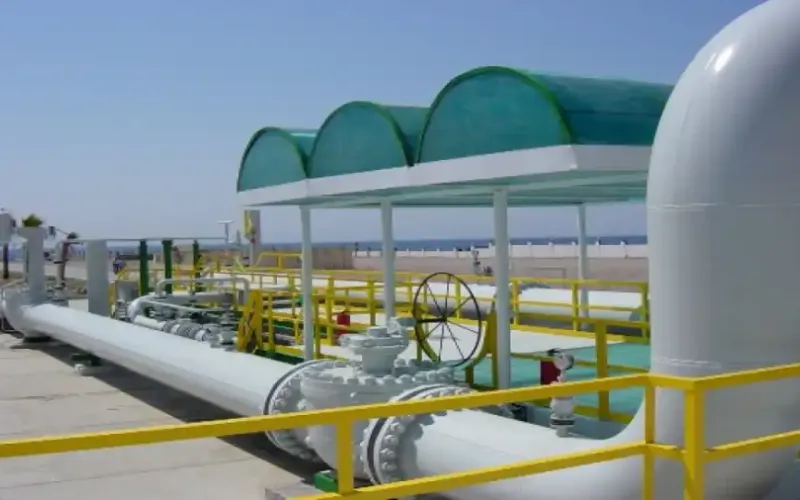
Expert : The Basra-Aqaba Oil Pipeline Project is a Feasible Strategic Option
03/29/2026 - 11:35
Energy expert Amer Al-Shoubki affirmed that the oil pipeline project from Basra to Aqaba is a strategic option that can be implemented in the medium term. Al-Shoubki explained during his participation in a program on Radio Al-Balad that the idea dates back more than four decades, as Iraq has always sought to reduce its dependence on the Basra outlet.
Al-Shoubki clarified that Iraq, which relies on oil for about 95% of its revenues, aims to increase its production in the coming years, which drives it to seek new routes for oil export, especially after the closure of ports due to security conditions. In this context, the pipeline from Basra to Aqaba is considered a strategic solution, as it provides an alternative that reduces risks and expands Iraq’s export capacity.
He added that the project would give Jordan a pivotal role as a regional corridor, as it would contribute to job creation and attract revenues from transit fees. Moreover, the Aqaba port would become more active, with potential facilities for exporting oil products.
Al-Shoubki noted that the current conditions, especially after the closure of export outlets, may push Iraq to revive the project seriously, particularly as Iran’s influence on Iraqi decision-making declines. He considered that this project could become a top priority for Gulf countries seeking alternatives to oil export, beyond the Strait of Hormuz and the Bab el-Mandeb Strait.