
- وزارة الأشغال العامة والإسكان تنهي أعمال صيانة طريق المغطس، ضمن عطاء صيانة الطريق الممتد من مثلث المغطس وحتى نهاية حدود الموقع السياحي للمغطس باتجاه طريق البحر الميت
- برنامج الأغذية العالمي، يقول إن مساعدات اللاجئين السوريين في المجتمعات المستضيفة في الأردن لا تزال معلقة منذ نيسان 2026؛ بسبب نقص حاد في التمويل
- وزير الصحة إبراهيم البدور يشدد على ضرورة الانتقال إلى نهج استباقي في إدارة ملف التزويد، بحيث تستند قرارات الشراء إلى بيانات الاستهلاك الفعلي والاحتياجات المتوقعة، وليس إلى الاستجابة للنقص بعد حدوثه
- مسؤول إيراني يقول إن الخلافات لا تزال قائمة بين بلاده والولايات المتحدة بشأن الجهود المبذولة للتوصل إلى اتفاق لإنهاء الحرب بشكل دائم
- شركة أمبري البريطانية للأمن البحري، تقول الخميس، إنّها تشارك في عملية إنقاذ ناقلة النفط كارولين بيزنجي الجانحة قبالة ساحل سلطنة عُمان، وإن هناك سفن إنقاذ في طريقها إلى الموقع لدعم العملية
- يكون الطقس الخميس، صيفيًا عاديًا في المرتفعات الجبلية، وحارًا في مناطق البادية، وحارا جداً في الأغوار والبحر الميت والعقبة
Irbid revisits government projects amid calls to accelerate implementation and improve public services impact

07/01/2026 - 11:35
A public discussion in Irbid has revisited the pace of government projects across the governorate, with participants calling for faster implementation and clearer improvements in public services.
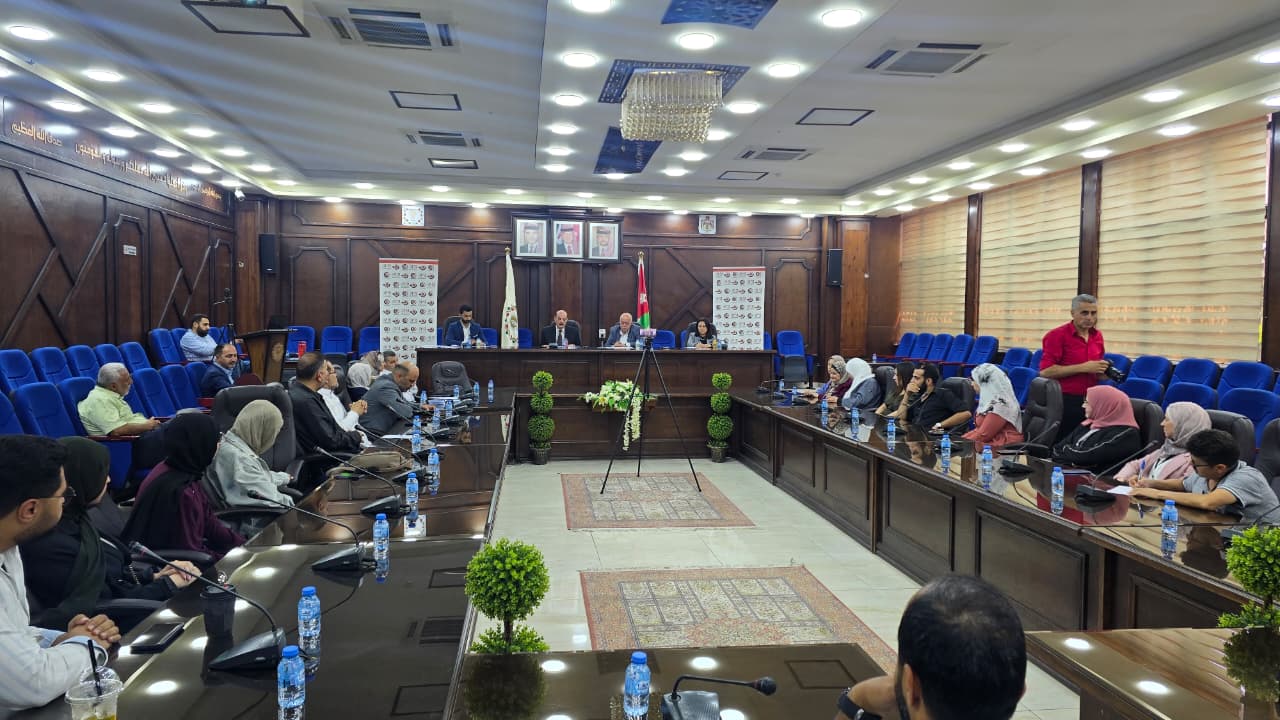
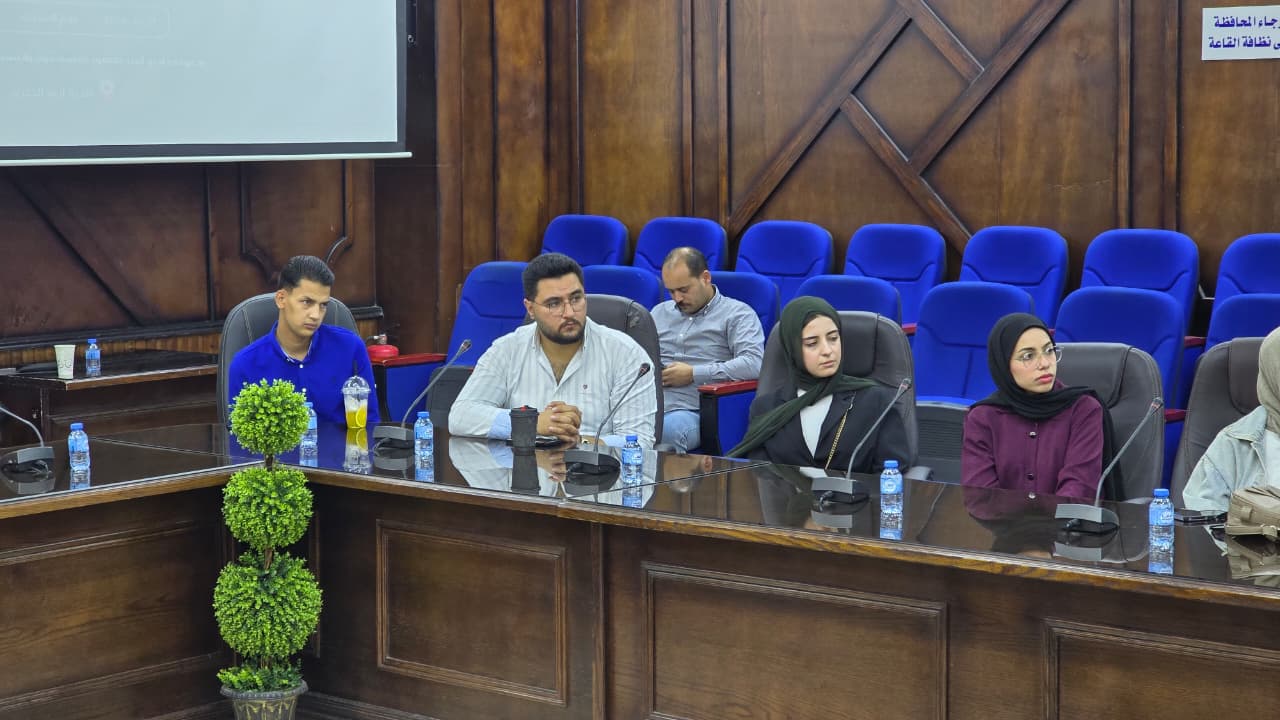
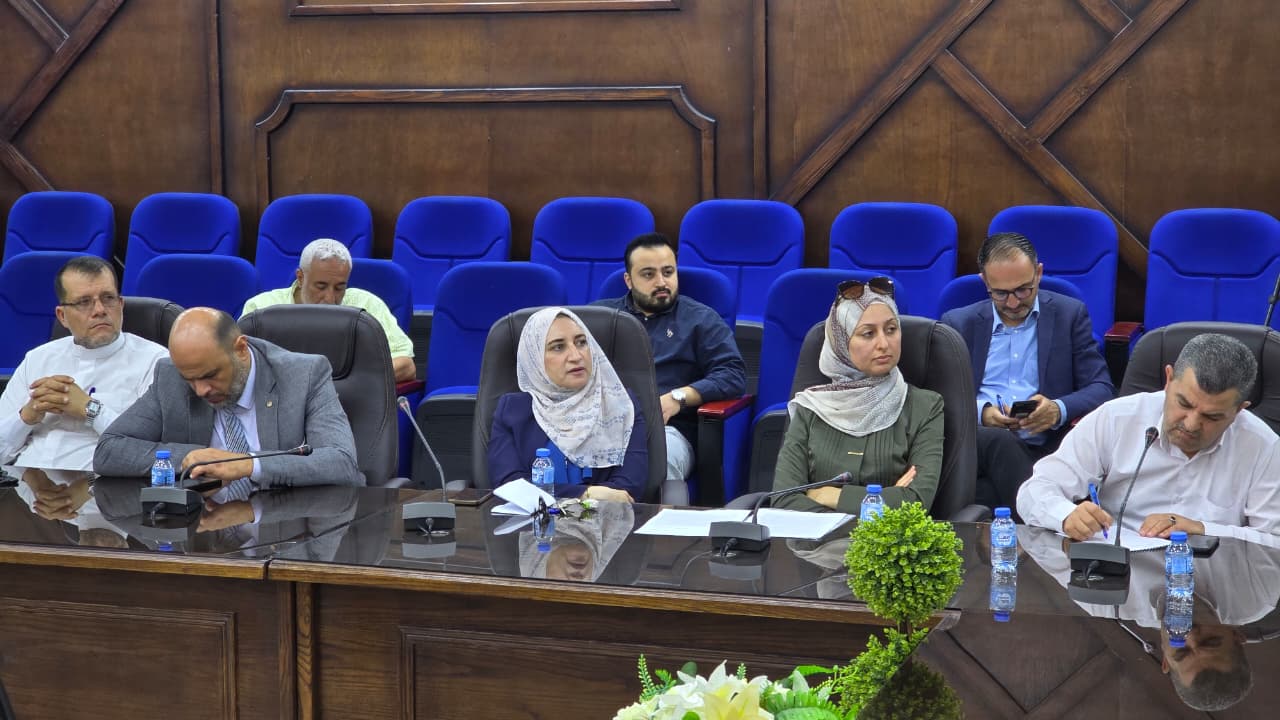
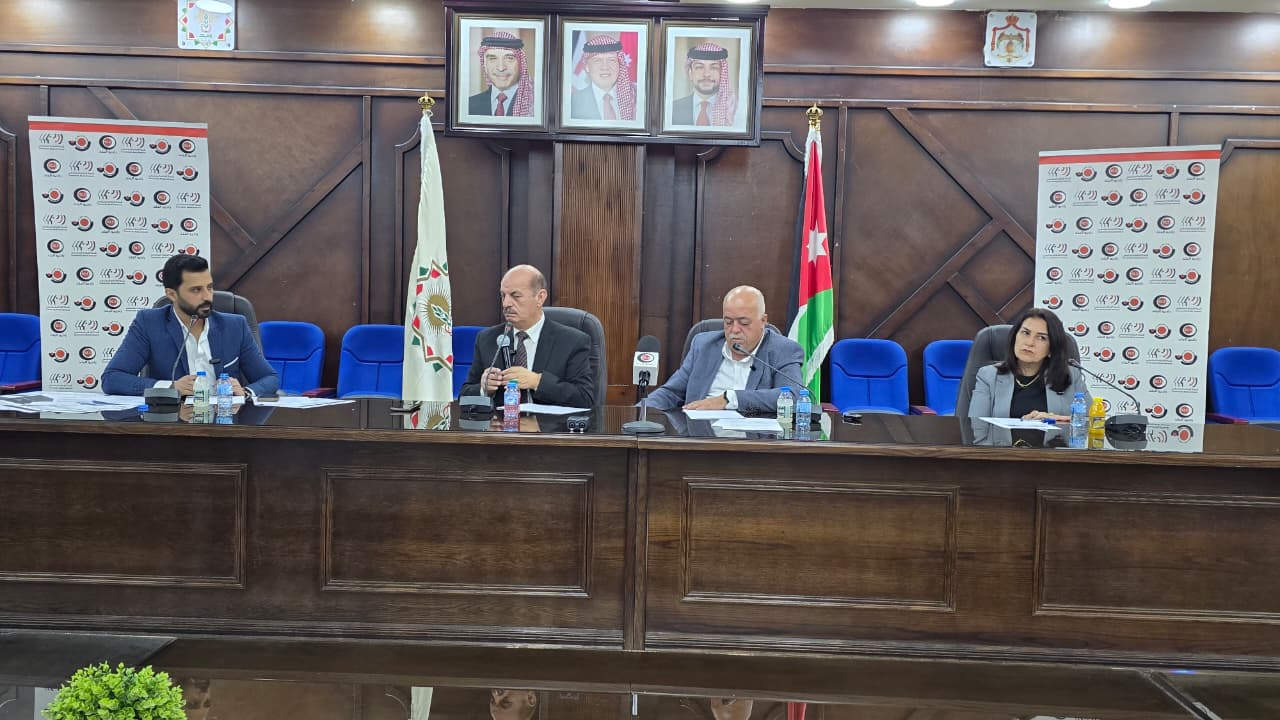
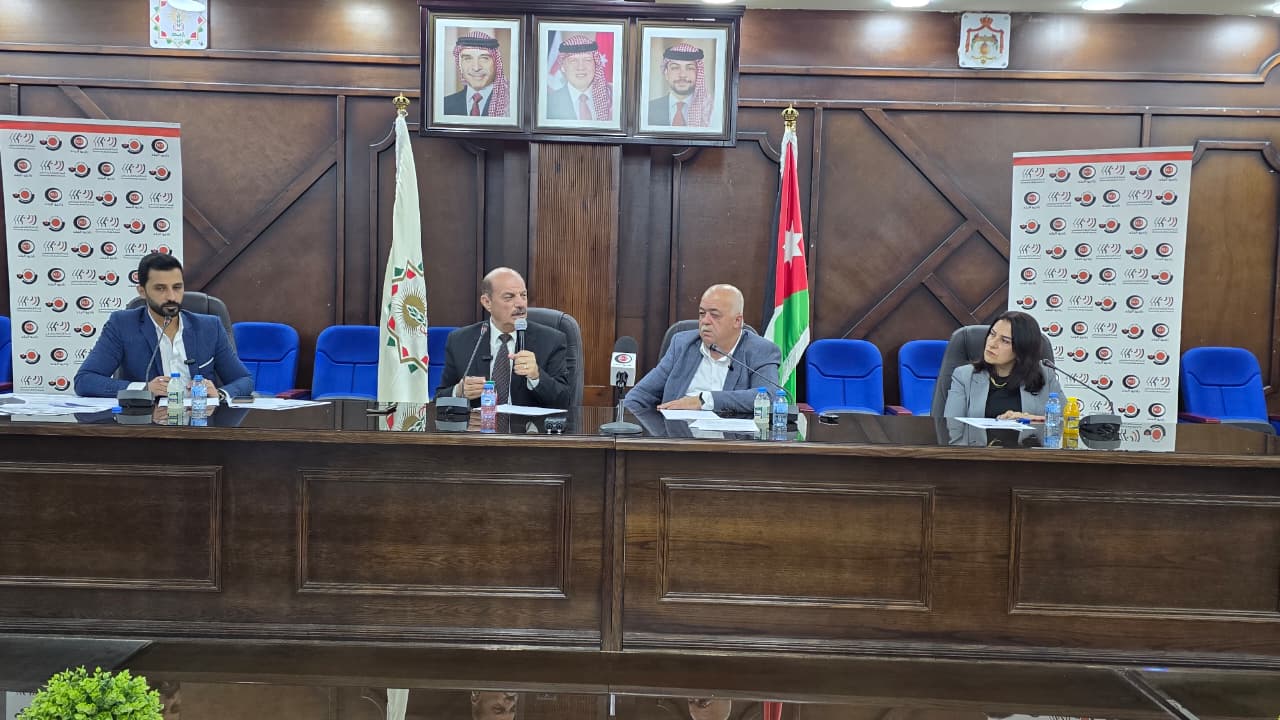
Radio Al-Balad held a dialogue session in Irbid as part of its “On the Ground” programme, examining the status of projects launched following the Cabinet’s field session in November 2024. The event brought together the head of Irbid Greater Municipality Committee, Emad Al-Azzam, Member of Parliament Dr. Shahir Al-Shatnawi, head of the Khalid bin Al-Walid Municipality Committee, Engineer Rawia Al-Gharaibeh, alongside residents and civil society representatives.
The discussion centred on the progress of government projects across key sectors including infrastructure, health, education, and tourism. Officials outlined what has been achieved so far, while attendees pressed for quicker delivery and raised concerns about the gap between announced plans and their tangible impact on daily life.
Al-Azzam said a significant portion of the announced projects has already moved into implementation stages, noting that several works under the Ministry of Public Works have recorded advanced completion rates. He added that major projects considered essential for the governorate are still underway.
He highlighted the Irbid ring road as one of the most important pending projects, explaining that work is currently ongoing on sections involving tunnels, earthworks and embankments, with expectations that this phase will be completed before the end of the year. The remaining sections, he said, will be implemented in partnership with the private sector under the government’s announced framework.
He also pointed to the opening of the new Princess Basma Hospital as a key milestone in recent service improvements, alongside progress on the new central market project, which is being developed in partnership with the private sector while efforts continue to secure an investor to operate it.
Al-Azzam said the municipality has made substantial progress in rehabilitating the Tell Irbid area, including the removal of buildings described as distorting the urban landscape. Negotiations are ongoing to complete the relocation of some government facilities, paving the way for transforming the site into a public urban space.
On education, he noted that several schools have been completed while others remain under construction. Water and sewage projects, he added, are also advancing steadily. He stressed that current efforts extend beyond construction to addressing traffic congestion, one of the city’s most persistent challenges.
He spent considerable time discussing the removal of the Culture Roundabout and its replacement with a smart traffic signal system. According to him, studies conducted by Jordanian traffic experts indicate the new system could reduce peak-hour waiting times from around 22 minutes to about eight. The design relies on interconnected signals across nearby intersections to improve traffic flow.
He added that project materials have begun arriving, and that Jordanian experts working abroad are contributing voluntarily to its implementation. A broader traffic study is also being conducted by Yarmouk University and the Jordan University of Science and Technology to reassess mobility across Irbid.
Looking ahead, Al-Azzam said priorities include completing the ring road, finalising the new road linking Irbid to Umm Qais via Kufr Asad, and building a connection between Princess Basma Hospital and Street 100. He argued that these projects would significantly improve mobility and support economic activity.
MP Shahir Al-Shatnawi said the government has responded to a number of demands raised during field Cabinet sessions, including the opening of the new Princess Basma Hospital, upgrading health centres into comprehensive facilities, and implementing projects in education and water sectors.
He noted that while some commitments have been fulfilled, others remain pending, with the ring road still among the most prominent incomplete projects, in addition to ongoing needs in water networks, sewage systems, school expansion, and health centre development.
Al-Shatnawi said the new hospital has brought a noticeable improvement in healthcare services, expanding bed capacity, increasing operating theatres, introducing new medical specialties, and contracting specialist doctors, which has helped reduce waiting times for procedures and tests compared to previous years.
Responding to concerns about staffing shortages, he acknowledged a gap caused by the rapid expansion of the hospital, saying the government is working to complete recruitment, with more than a thousand new positions expected to support the facility in the coming period. He also noted efforts to address issues related to the “Hakeem” digital health system through staff training.
He added that MPs from the governorate continue to follow up on local demands with the Prime Ministry and relevant ministries, noting that a new list of priorities had recently been submitted and is under review.
Engineer Rawia Al-Gharaibeh outlined tourism-related projects in Bani Kinanah district, highlighting the development of the Umm Qais archaeological site as a major initiative funded by the European Union through the United Nations Development Programme.
She said the project has expanded to include the surrounding residential area, with improvements to main roads, shopfront renovations, and the addition of aesthetic elements aimed at enhancing visitor experience.
She also referred to the rehabilitation of Al-Ara’ees Pool, which is being developed as an environmental and tourism site while preserving its natural character through visitor facilities that avoid disrupting the surrounding ecosystem.
Al-Gharaibeh said the main challenge facing municipalities is not only project execution but also financial and administrative empowerment, arguing that stronger revenues and private sector partnerships are essential to expanding municipal capacity.
The session also featured extensive interventions from citizens. Transport representatives called for tighter regulation of unlicensed ride-hailing applications and stronger enforcement against vehicles operating outside legal frameworks, warning of growing losses in the sector.
Others criticised ongoing bureaucratic delays in government institutions, arguing that public projects must translate into improved services rather than remain confined to infrastructure announcements.
In the health sector, participants raised concerns about staff shortages at Princess Basma Hospital and long waiting times for some clinics, urging faster recruitment and improved service efficiency.
Additional calls focused on rural development, public parks, road maintenance, enhanced oversight of disability centres, and expanded vocational training programmes, alongside faster implementation of development projects across the governorate’s districts.
The discussion concluded with a shared view that while Irbid has made progress in delivering several government projects, the next phase requires accelerating implementation, completing delayed works, and ensuring that announced initiatives translate into visible improvements in citizens’ daily lives.