
- أمانة عمّان الكبرى، تقر تعليمات حظر بيع وتداول المنتجات البستانية خارج سوق عمّان المركزي للخضار والفواكه والمنصة الإلكترونية المعتمدة من الأمانة
- فترة تقديم طلبات القبول الموحد للدورة العامة/ الصيفية 2026-2027 لمرحلة البكالوريوس تنتهي عند الساعة 12 من منتصف ليلة الخميس/ الجمعة
- المنطقة العسكرية الجنوبية، تحبط الأربعاء، عملية تهريب كمية كبيرة من المواد المخدرة، بعد رصد بالون موجّه محمّل بالمخدرات، كان في طريقه إلى الأراضي الأردنية
- مستوطنون، يواصلون الخميس، لليوم الثاني عشر على التوالي، محاصرة عدد من المنازل في بلدة قصرة، جنوب نابلس، وسط حماية من جيش الاحتلال الإسرائيلي
- الرئيس الأميركي دونالد ترامب، يهدد بتحميل "أي دولة" تساعد إيران أو تتعامل معها تجاريّا تبعات اقتصادية "وخيمة"
- تتأثر المملكة، الخميس، بكتلة هوائية حارة ويكون الطقس حارا نسبيا في أغلب المناطق، وحارا جدا في البادية والأغوار والبحر الميت والعقبة
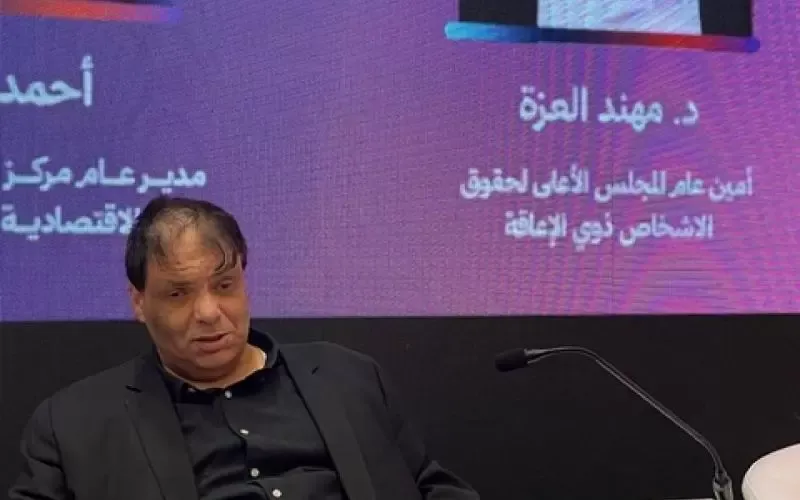
Al-Izzeh: Influencers’ Bullying of Persons with Disabilities Has Reached Unprecedented Levels… and Public Culture Still Enables Mockery
11/18/2025 - 12:05
Dr. Mohannad Al-Izzeh, Secretary-General of the Higher Council for the Rights of Persons with Disabilities, explained that measuring the impact of bullying is neither uniform nor objective, as the feeling of harm varies from one person to another. Still, psychological harm remains a constant for everyone — including persons with disabilities.
Al-Izzeh stressed that disability-based bullying has reached unprecedented levels of “professionalism” and ill intent, noting that some individuals have begun inventing new methods to mock persons with disabilities. He added that several bullies today are classified as influencers due to the wide reach and engagement their content achieves.
He pointed out that the extensive awareness efforts aimed at changing stereotypes can be completely undone within minutes when a content creator decides to exploit a particular disability in a mockingly crafted video meant solely to attract views.
Al-Izzeh revealed that he recently contacted a content creator who had posted a video he described as “one of the most degrading things he had ever seen,” in which a specific disability was depicted in a deeply insulting manner. Although the creator apologized, Al-Izza emphasized that much of this behavior stems from ignorance rather than malicious intent. He questioned: “Is it not enough for these individuals to imagine themselves as parents watching content that mocks their child’s disability?”
He further explained that public culture in society continues to foster and encourage bullying, as people often laugh at harmful situations instead of condemning them — granting bullies an indirect form of social legitimacy and exacerbating the problem.