Radio Al-Balad in the Jordan Valley: Government Promises vs. Infrastructure Realities

02/17/2026 - 11:02
الرابط المختصر
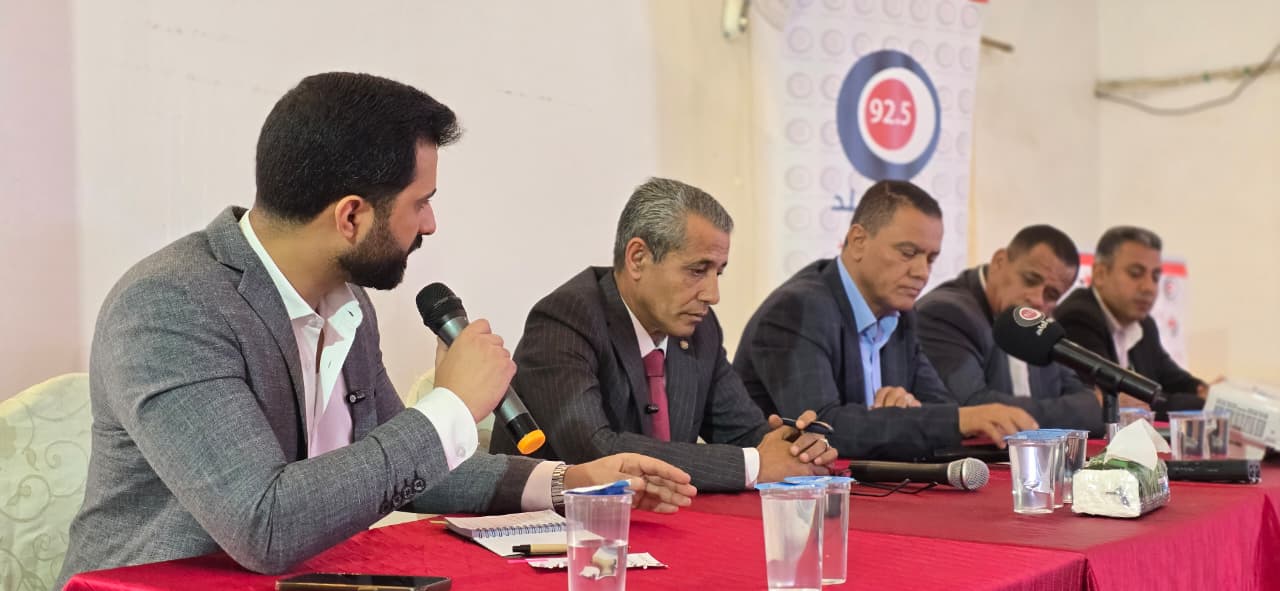
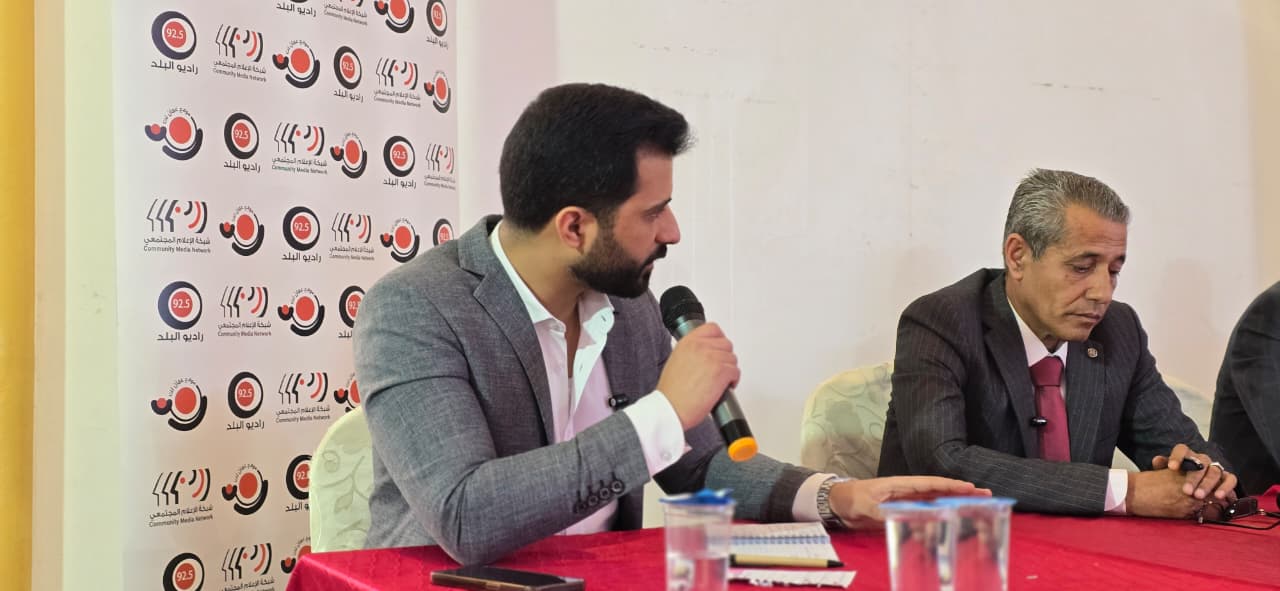
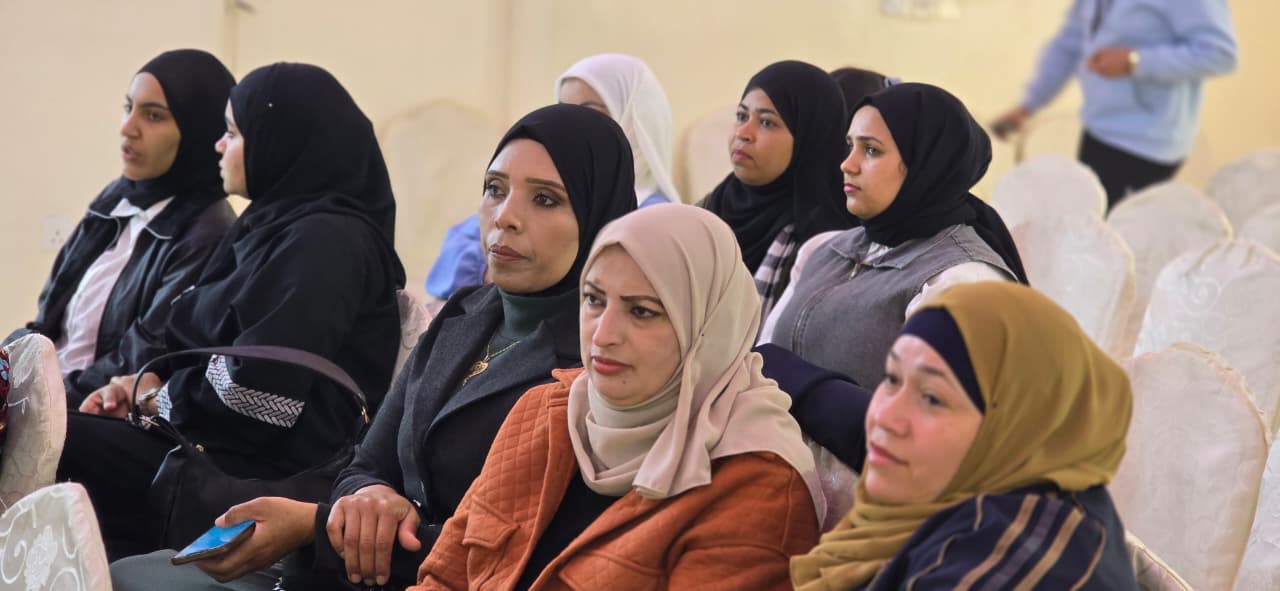
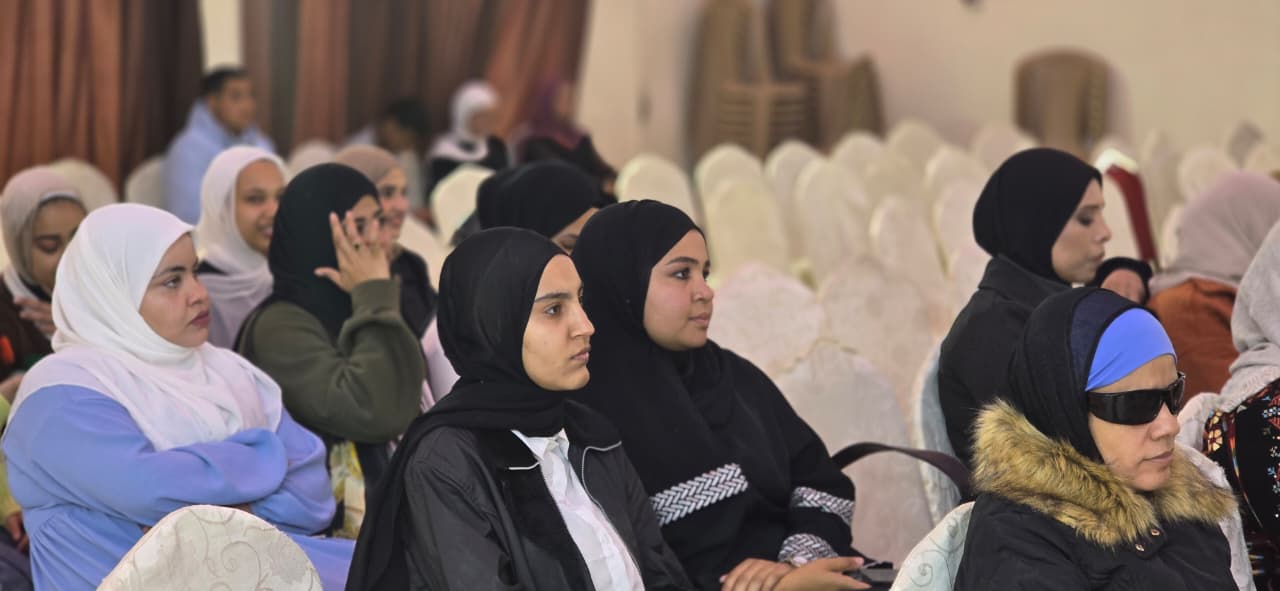
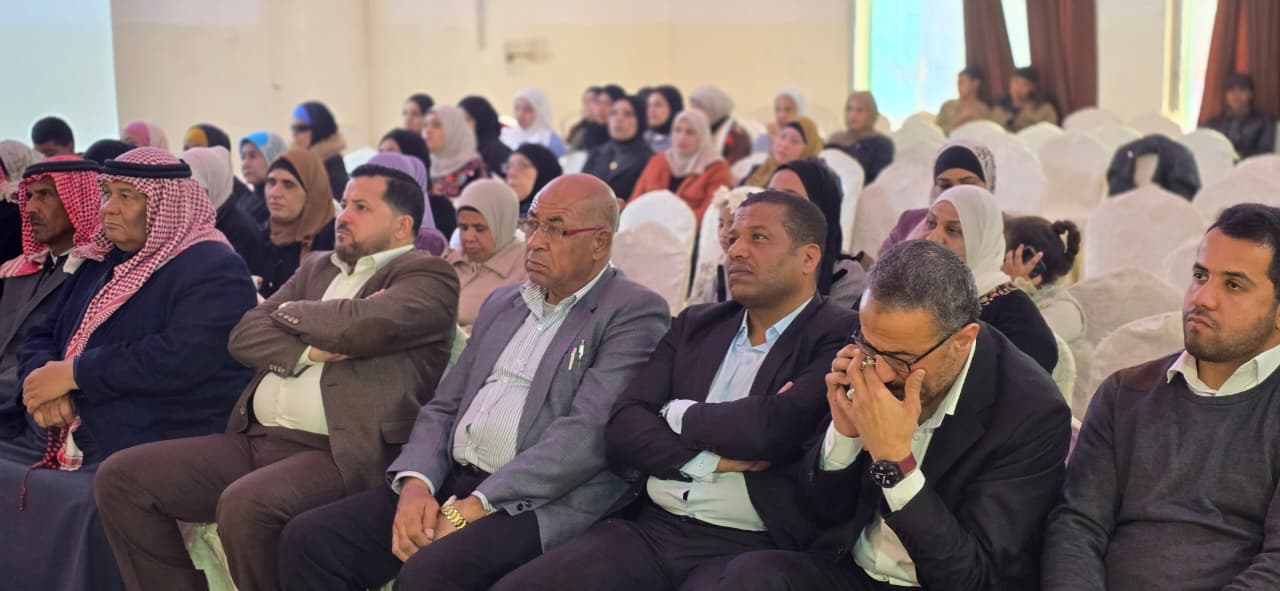
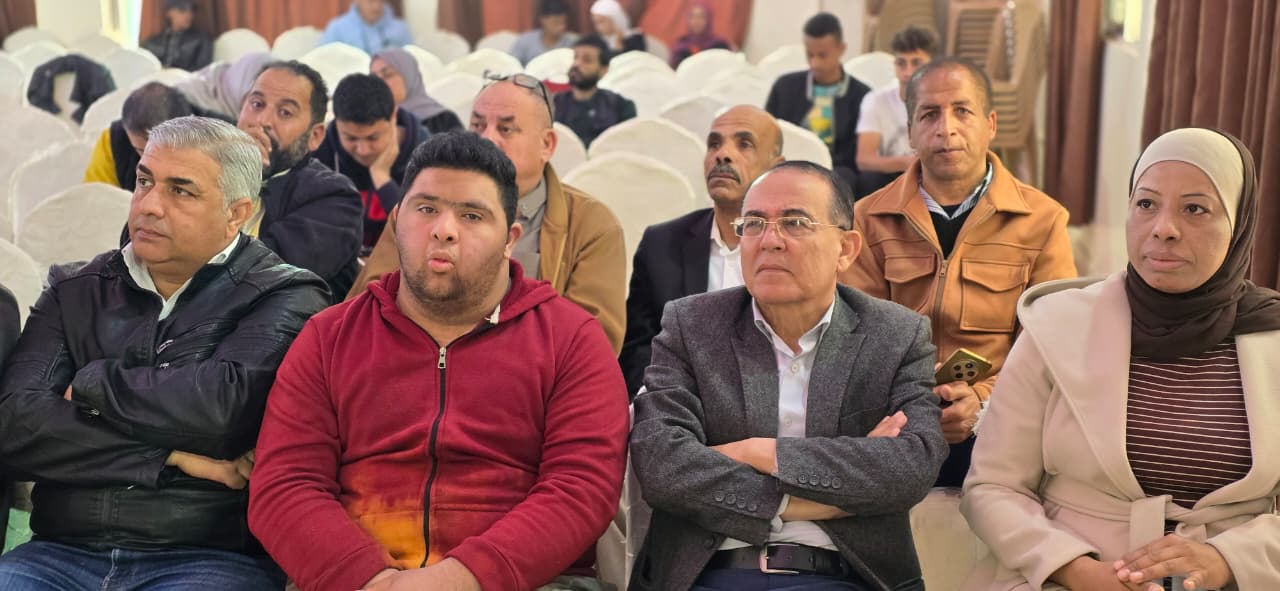
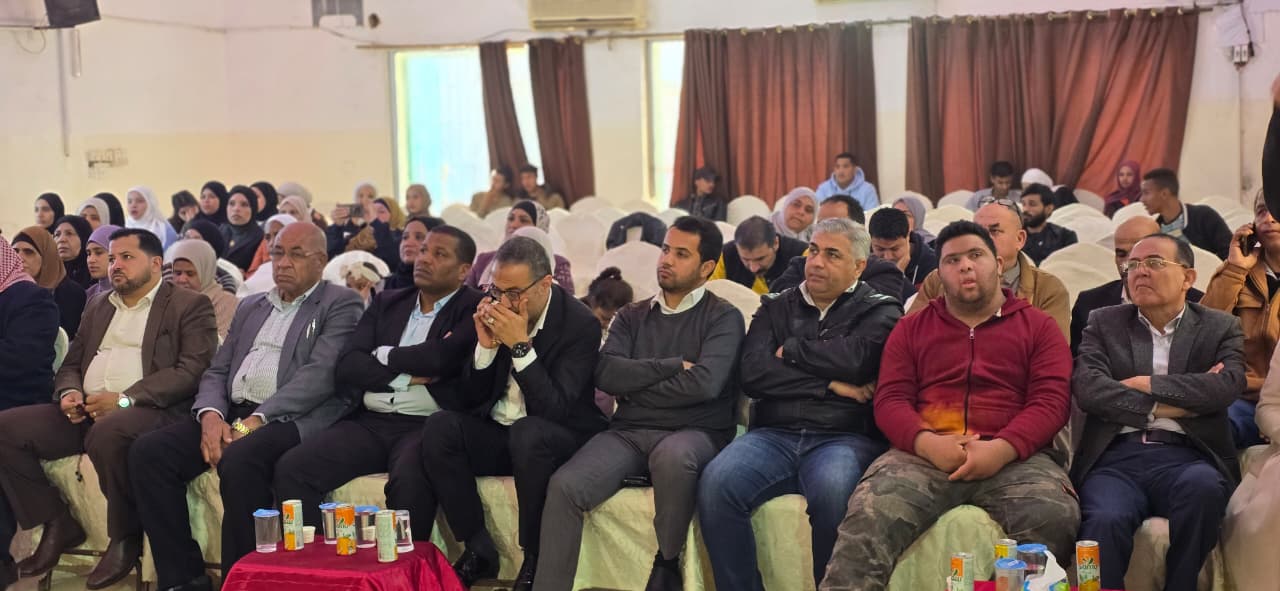
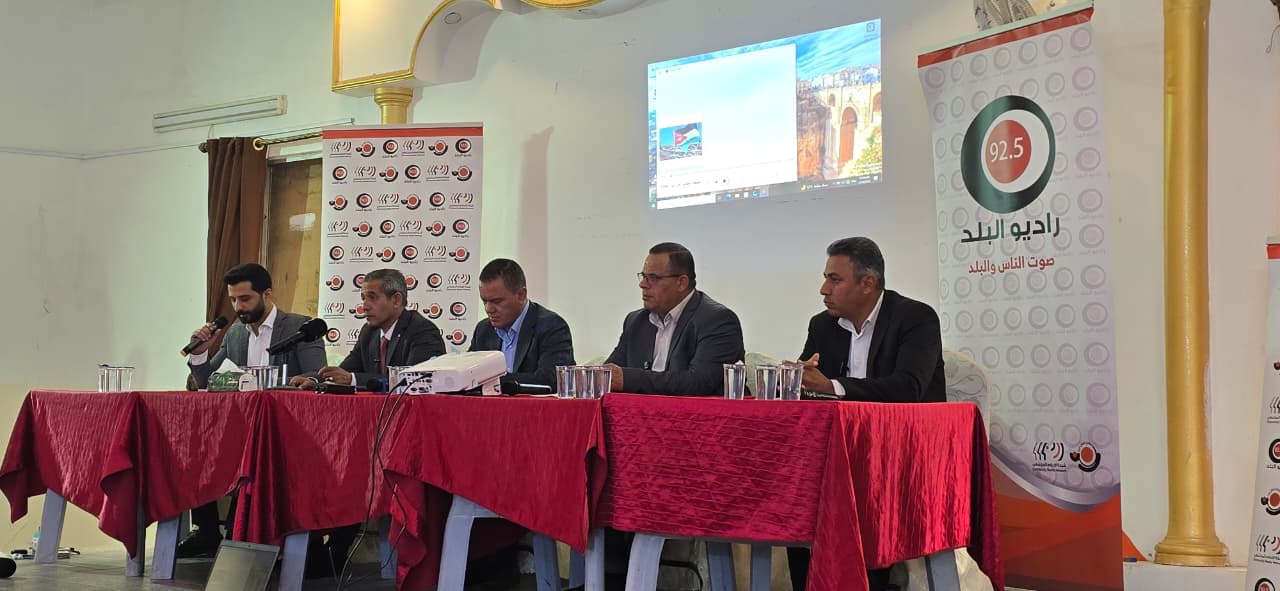
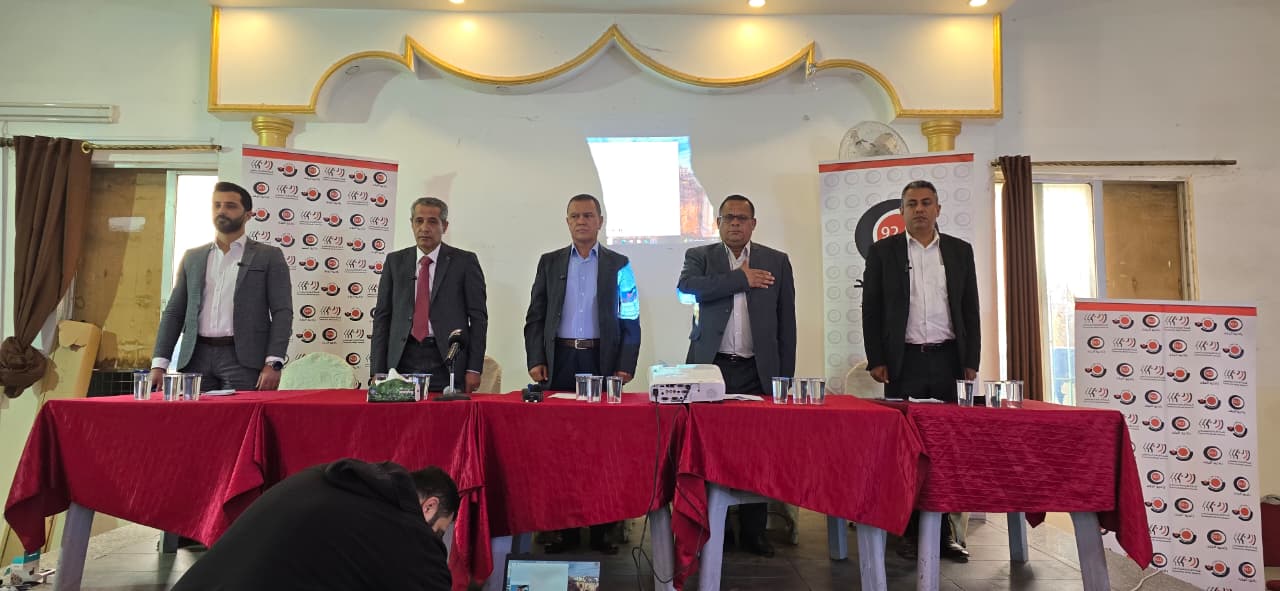
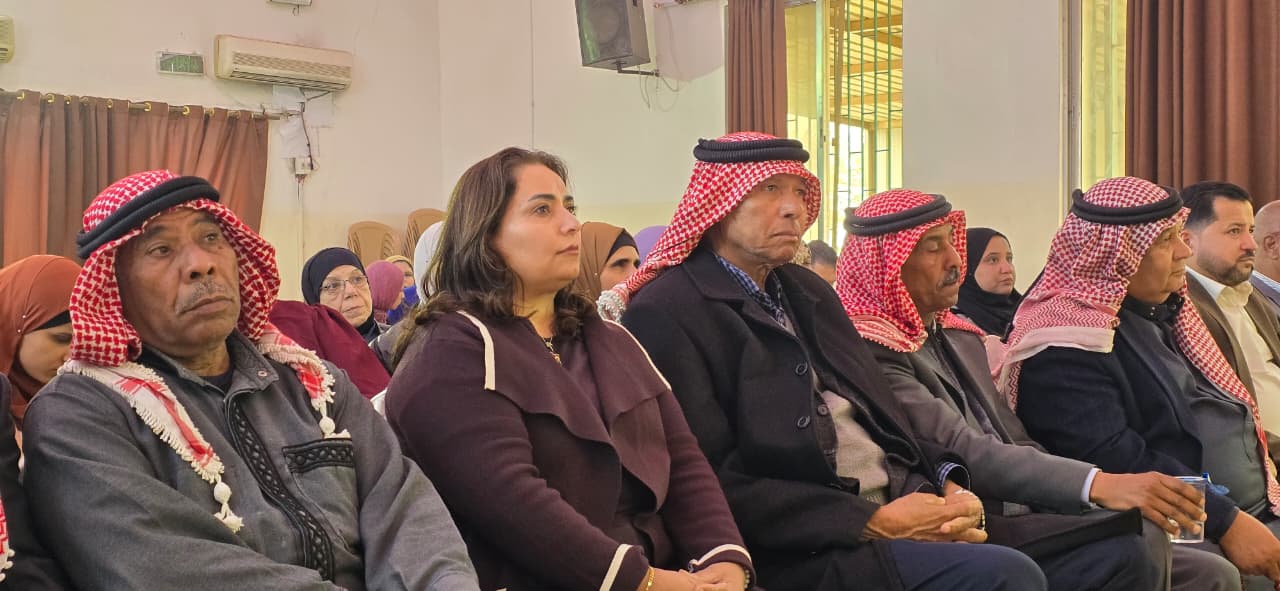
Radio Al-Balad organized a town-hall-style session in the Central Jordan Valley as part of its "Maidani" (From the Field) program. The session aimed to evaluate government promises one year after the Prime Minister's visit, revealing a stark contrast between official statistics and the infrastructure challenges faced by local residents.
Water Sector: Engineering Feats and Field Crises
Hamza Shehab, Executive Director of the Deir Alla Municipality, opened the discussion by confirming a "quantum leap" in the drinking water project. He noted that nearly 90% of the project within municipal limits was completed in 2025 alone, at an estimated cost of 28 million JOD, ensuring that water now reaches households seamlessly.
On the other hand, Ahmed Al-Masalha, Executive Director of the Muaddi Municipality, stated that work was distributed among three companies with a 95% completion rate. He indicated that sewage projects might realistically commence in 2027, promising that once the project is finalized within the next six months, high-pressure pumping will allow water to reach fourth floor apartments 24/7.
The session also addressed the anticipated economic shift. Participants reviewed the government’s plan to transform the Valley into a value-added hub through an "Agricultural Industrial Zone." Al-Masalha explained that this project aims to end the era of crop wastage by establishing packaging, wrapping, and cooling units. This would provide stable employment for youth, moving away from volatile seasonal farming. He stressed that Muaddi is awaiting the actual launch of these zones to alleviate high unemployment rates.
The Voice of the Community: "A Failure in Oversight"
Conversely, activist Najeh Al-Diyat offered a different reading of the situation. While acknowledging the completion rates, he sharply criticized the performance of contractors, asserting that excavation works left local streets in ruins, creating significant obstacles for residents' movement.
Ahmed Abu Al-Sukkar, a former decentralization council member, echoed these concerns. While praising the government grant, he criticized the lack of consistent follow-up. He pointed out clear negligence by companies in Deir Alla regarding road damage and improper pipe installation, calling for strict oversight of contractors.
In response, Ahmed Al-Masalha highlighted an innovative field-monitoring mechanism: a "WhatsApp Group" chaired by the Administrative Governor. This group includes municipal representatives and contractors to track citizen complaints in real-time. He noted that over 60 violations were recorded against companies, some of which were referred to the Governor to ensure swift execution.
Health Sector: Expanding Princess Iman Hospital
Regarding healthcare, Al-Masalha explained that the Prime Minister’s directives resulted in the completion of the outpatient clinics and the kidney dialysis unit at Princess Iman Hospital within just six months, at a cost of 2 million JOD.
However, Abu Al-Sukkar noted that the hospital, which serves over 120,000 people, desperately needs more medical specialties (particularly in dentistry) and modern equipment to keep pace with the growing population. Meanwhile, Al-Diyat cited the hospital director, mentioning a plan to expand the old building during the next four months of 2026.
Addressing the poor road conditions, Hamza Shehab detailed the legal steps taken by the Deir Alla Municipality to protect citizens' rights. He explained that the municipality secured binding legal and procedural guarantees from contractors to restore roads to their original state, emphasizing that current suffering from excavations is a "temporary necessity" for a project of this scale.
The Zoning Crisis and Conflict of Jurisdictions
The audience raised the issue of "overlapping jurisdictions" as a primary barrier to development. Hamza Shehab responded to complaints about dilapidated streets by explaining that municipalities struggle with overlapping authorities between the Jordan Valley Authority (JVA) and the Ministry of Public Works. He clarified that the municipality lacks the legal authority to spend on agricultural roads or those outside official zoning (Tanzim), though it is pushing to expand zoning maps to curb encroachment on agricultural lands.
Al-Masalha supported this view, warning that the infrastructure cost for new zones is exorbitant (reaching 11 million JOD). He suggested utilizing the Jordan Armed Forces' machinery to open roads, thereby reducing the financial burden on municipalities and the Authority.
One attendee raised an urgent demand regarding the Dirar Health Center, which serves over 25,000 citizens. Despite the quality of its doctors, it lacks "Comprehensive Center" status. He called for its official upgrade to relieve pressure on Princess Iman Hospital. Hamza Shehab confirmed that this request has already been included in the "Municipal Needs Directory" and submitted to the relevant authorities.
In a poignant moment, Hanan Al-Gharaghir, a visually impaired citizen, shared her daily struggle with a road "on the verge of collapse" in the Dabbab area, amid a game of "blame-shifting" between the municipality and the JVA. Additionally, a resident known as Abu Iyad expressed sharp disappointment with the Ministry of Culture, arguing that the "Deir Alla: City of Culture 2024" event failed to meet expectations and did not fairly include the Muaddi municipal areas.
Youth, Employment, and "Reverse Desertification"
Mohammad Naeem, from the Southern Atwal area, criticized the absence of genuine development projects targeting the youth. He argued that preserving agricultural land should not come at the expense of urban and residential growth. He called for "out-of-the-box" solutions to integrate youth into the local economy, warning that restrictive zoning drives young people to migrate to the capital in search of work.
Naeem described the situation as a form of "reverse desertification" of agricultural lands; without zoning alternatives, residents are forced into illegal, random construction. He warned that stagnant zoning boundaries for decades are killing the agricultural and residential future of the district.
The session also highlighted the plight of hundreds of families denied official electricity connections because their homes lie outside zoning limits. Abu Al-Sukkar explained that some houses host "three families on a single meter," causing massive pressure and frequent outages, especially during the blistering valley summers. He urged the government to fulfill previous promises to distribute residential units in the mountainous areas (Shfa Ghouriya) and provide the necessary infrastructure to end this humanitarian crisis.
Background: The Prime Minister's Vision
In early January 2025, during his periodic field tours, Prime Minister Jafar Hassan reaffirmed the government’s intent to establish an agricultural industrial zone. The goal is to create a qualitative shift in the local economy, transforming the Jordan Valley from a primary production site into a value-added center covering packaging, marketing, and regional export to reduce waste and boost farmers' income.
On the health front, the Prime Minister inspected expansion works at Princess Iman Hospital in Muaddi, insisting on completing the outpatient clinics by June. In the months following his visit, the hospital was equipped with modern devices, including ultrasound machines, alongside maintenance of cooling systems and new units in waiting areas. Medical staff were also bolstered with specialized doctors, nurses, and pharmacists to improve service quality and reduce wait times.
Despite these initiatives, the Central Jordan Valley still faces daunting field challenges: reliance on seasonal farming, income instability due to market and climate fluctuations, and a lack of storage facilities. The region also continues to grapple with youth unemployment, educational hurdles regarding school accessibility, and a lack of teaching staff. Between government pledges and field reality, there remains an urgent need for precise executive follow-up and stronger political will to turn these plans into tangible results.